Why the current blend of resale homes, fixers, and new construction is shaping how buyers and sellers navigate Woodstock right now
Woodstock has always been one of Southeast Portland’s most consistent and recognizable neighborhoods. It’s the kind of place where buyers tend to know exactly what they’re looking for before they even start their search. Tree-lined streets, established homes, walkability to local shops and restaurants, and a strong sense of neighborhood identity all play a role in that. When my family decided to relocate here, we had no idea what a gem of a community we'd landed in!
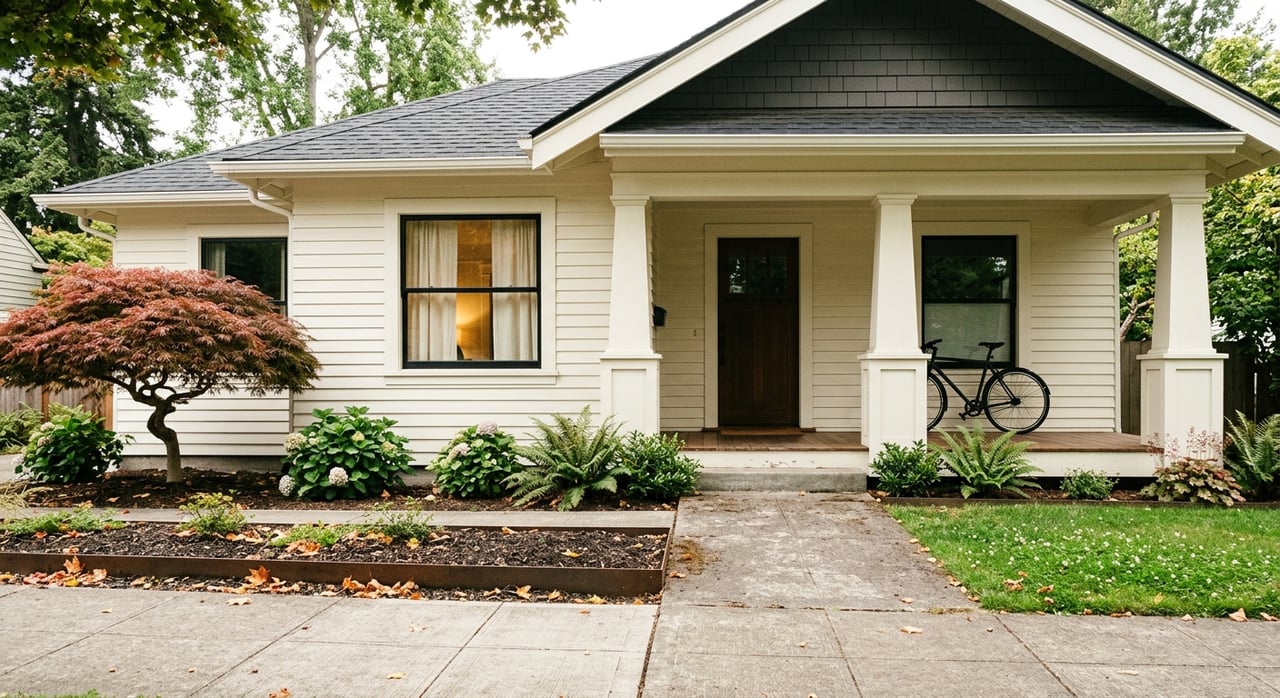
Because of that, the Woodstock market has historically been shaped almost entirely by resale homes. The housing stock is primarily made up of early- to mid-20th-century construction, and over time those homes have been updated, expanded, or, in some cases, left largely original. That range has always created some variability in pricing, but the overall story has remained relatively consistent.
What’s starting to emerge more clearly is a slight shift in the composition of what buyers see when they look at active inventory.
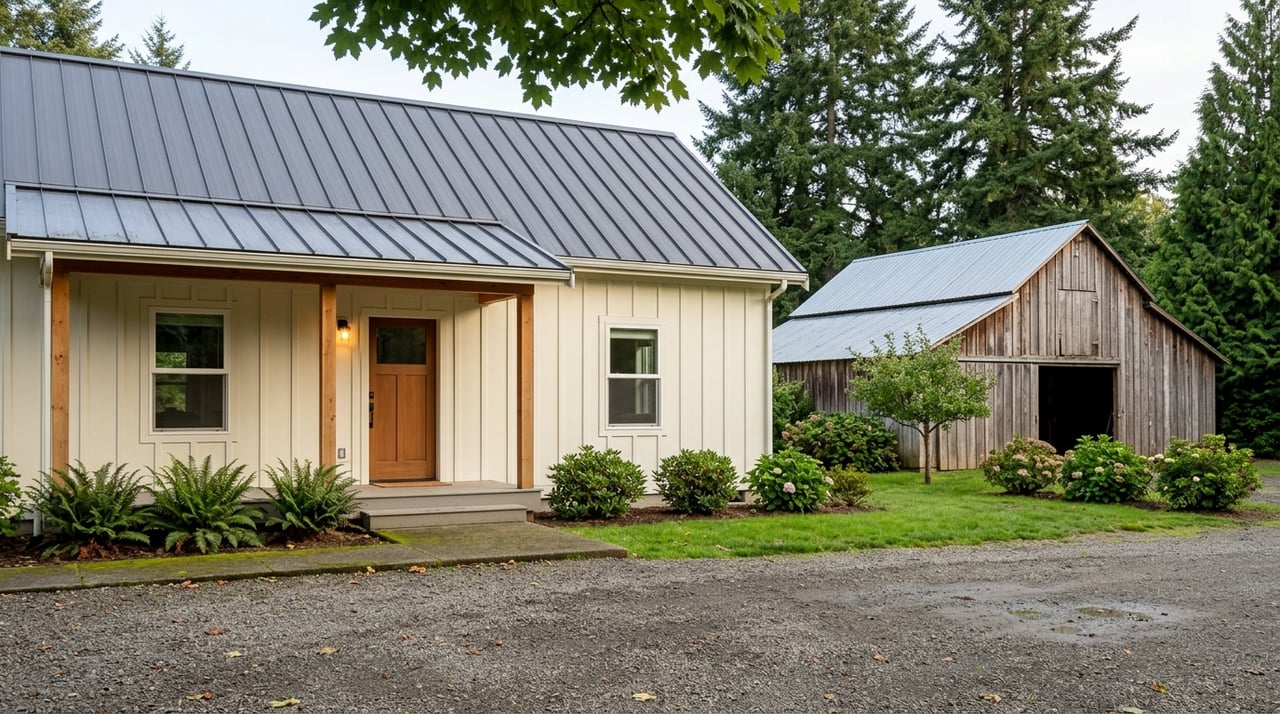
In addition to the expected mix of updated homes, original-condition properties, and the occasional fixer, there is now a noticeable presence of newer construction entering the market. These are typically infill opportunities, smaller footprint homes, or attached properties that introduce a different product type into a neighborhood that has historically been defined by detached resale housing.
This does not mean Woodstock is suddenly a new construction market. It is not. Resale homes still define the neighborhood. But the addition of even a modest number of newer builds begins to expand the range of options buyers are comparing side by side.
That shift matters.
Buyers are no longer evaluating just one type of home. Instead, they may be weighing a fully updated bungalow against a home that needs work, while also considering a newer, lower-maintenance option that offers a completely different living experience.
From a pricing standpoint, this creates a wider spread than what a simple average or automated valuation might suggest. Two homes with similar square footage can perform very differently depending on condition, layout, level of updating, and overall presentation. The introduction of newer construction adds another layer to that comparison, particularly when it enters the market at competitive price points.
This is one reason why broad zip code data, while helpful for understanding general trends, does not always fully capture what is happening at the neighborhood level. Woodstock, like many close-in Southeast Portland neighborhoods, behaves more like its own micro-market.
For homeowners, this creates both opportunity and complexity.
On one hand, buyer demand in the broader 97206 area remains steady, with relatively limited inventory and strong sold-to-list price ratios indicating that well-positioned homes are still attracting attention. On the other hand, the growing diversity in housing types means that how a home is prepared, priced, and presented has a more direct impact on the outcome than ever before.
Ultimately, value in Woodstock is not determined by square footage alone. It is shaped by how a specific property fits into the current mix of available options and by its position relative to what buyers are actively comparing in real time.
If you’ve been watching the market or wondering how your home fits into this evolving landscape, you’re not alone. These are exactly the kinds of nuances that don’t show up in a quick online estimate but make a meaningful difference in timing, pricing, and strategy.
If you’d like to take a closer look at how your home compares to what’s currently on the market, I’d be happy to walk you through it and provide a detailed, personalized analysis.