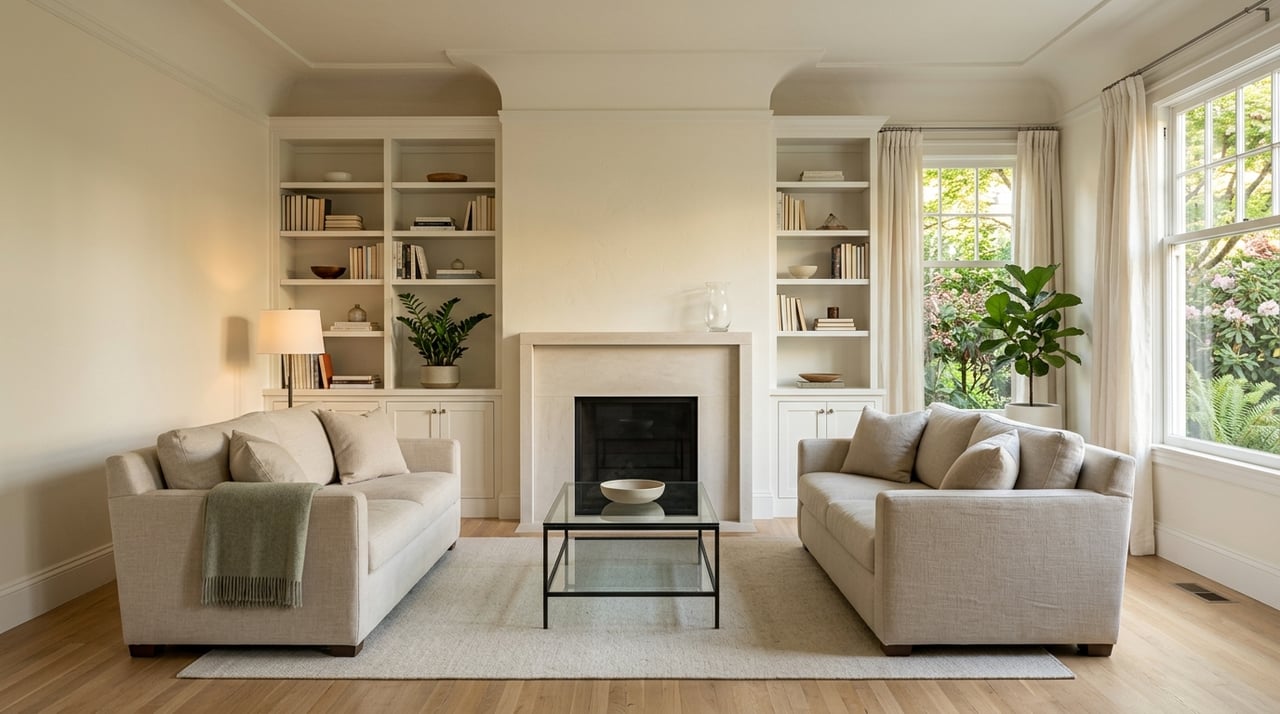
If you own a classic Eastmoreland home, you are not just selling rooms and square footage. You are selling a story, a setting, and a style of living that today’s buyers still value. The good news is that the right marketing approach does not require stripping away character to chase trends. It means presenting your home so buyers can see both its historic appeal and its everyday comfort. Let’s dive in.
Why Eastmoreland Stands Out
Eastmoreland has a built-in value story that few Portland neighborhoods can match. The Eastmoreland Historic District covers roughly 475 acres and was added to the National Register of Historic Places on December 7, 2022. Portland and Oregon historic-resource sources describe it as significant for early-twentieth-century planning, mature trees, and a cohesive collection of homes shaped by City Beautiful principles.
That matters when you sell. Buyers in Eastmoreland are often drawn to more than the house itself. They are also responding to the preserved streetscape, the established setting, and the architectural identity that makes the neighborhood feel distinct.
Character Is Part of the Product
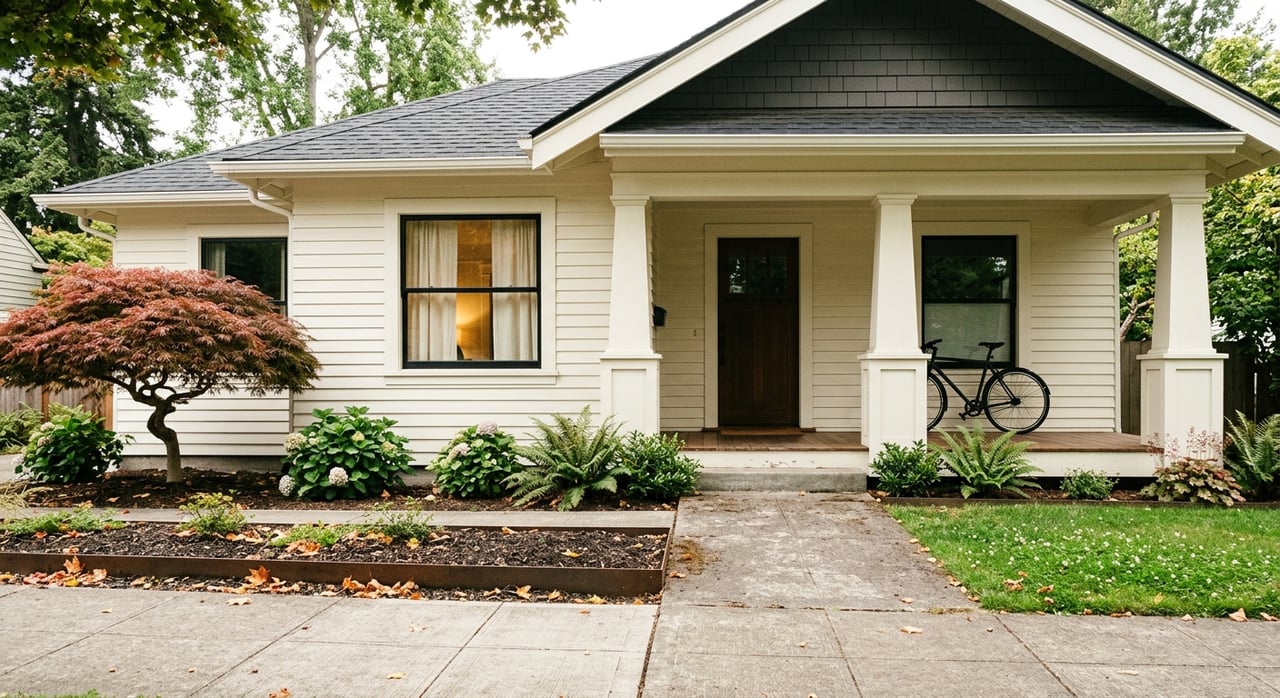
Classic Eastmoreland homes tend to market well because they offer details buyers cannot easily find in newer construction. District documentation highlights features like front porches, multi-pane sash windows, exposed rafters, decorative brackets, and a wide mix of early- and mid-twentieth-century styles.
Garages also matter here. In Eastmoreland, they are part of the neighborhood’s early automobile-suburb history, so they are more than a practical extra. They help tell the story of how these homes were designed and how they have functioned over time.
What Today’s Buyers Want
Today’s buyers still appreciate charm, but they also want a home to feel usable from day one. Research shows many buyers choose existing homes for better overall value, lower price, and charm and character. That gives classic Eastmoreland homes a strong starting point, especially when their original features are paired with thoughtful updates.
Buyers also shop differently now. The home search usually starts online, often lasts about 10 weeks, and includes a median of seven homes. Photos are one of the most useful website features, especially for Older Millennials, which makes visual presentation one of the most important parts of your launch.
Features That Read Well Online
Older homes tend to stand out when they offer both beauty and function. Buyer feature research points to practical spaces and amenities that still resonate strongly.
These include:
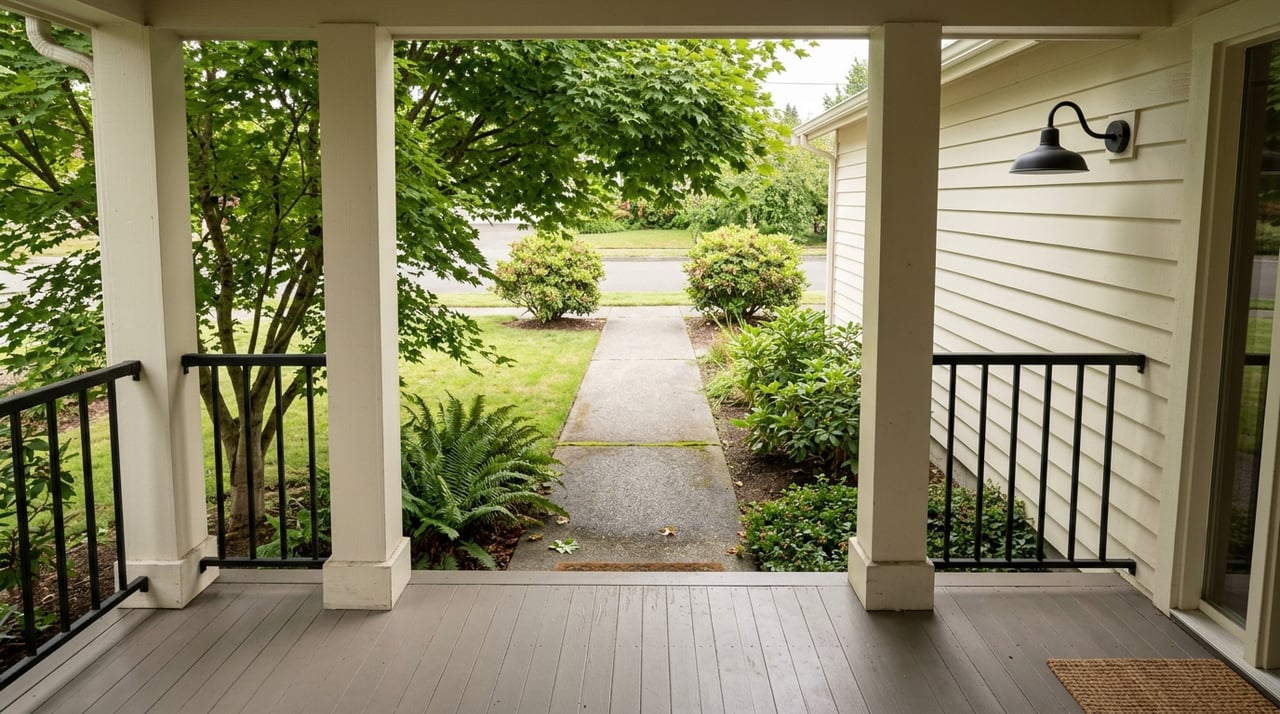
- Front porches
- Hardwood flooring
- Exterior lighting
- Patios
- Laundry rooms
- Full baths on the main level
- Energy-efficient lighting
- ENERGY STAR appliances
- ENERGY STAR windows
- Walk-in pantries
- Home office space
- Dining rooms
- Separate living rooms
- Two-car garages
For an Eastmoreland seller, the takeaway is simple. You do not need to make your home feel new. You need to help buyers see how its original design supports modern living.
Market the Home You Have
One of the biggest mistakes sellers make with a classic property is trying to erase its age. In Eastmoreland, originality often adds value when it is well presented. Preserved millwork, hardwoods, period windows, porches, and built-ins can become standout selling points when they are clean, visible, and framed correctly.
That is where storytelling matters. Instead of apologizing for what is original, your marketing should explain what has been preserved, what has been updated, and how the two work together. A home office nook, updated lighting, improved energy performance, or a more functional kitchen layout can all be positioned as thoughtful complements to classic architecture.
Tell a Clear Before-You-Visit Story
Because buyers start online, your listing needs to answer key questions before anyone steps through the door. The strongest launches use bright, accurate photography, room-by-room flow, and listing copy that clearly explains the balance of original character and modern function.
Video and virtual tours can also help buyers connect with the home’s layout and atmosphere. Research shows buyers’ agents place high importance on photos, videos, traditional staging, and virtual tours, so a strong Eastmoreland launch should go beyond a basic photo gallery.
Prep Selectively Before Listing
When you are preparing a classic home for market, more is not always better. Research on staging shows it can reduce time on market and may help improve the dollar value offered. The spaces where staging tends to matter most are the living room, primary bedroom, and kitchen.
That said, staging should support the home, not overpower it. For Eastmoreland homes, the goal is usually to simplify, lighten, and edit so the architecture can shine.
Where to Focus Your Time
The most common and effective pre-listing recommendations are often the simplest:
- Declutter each room
- Deep clean thoroughly
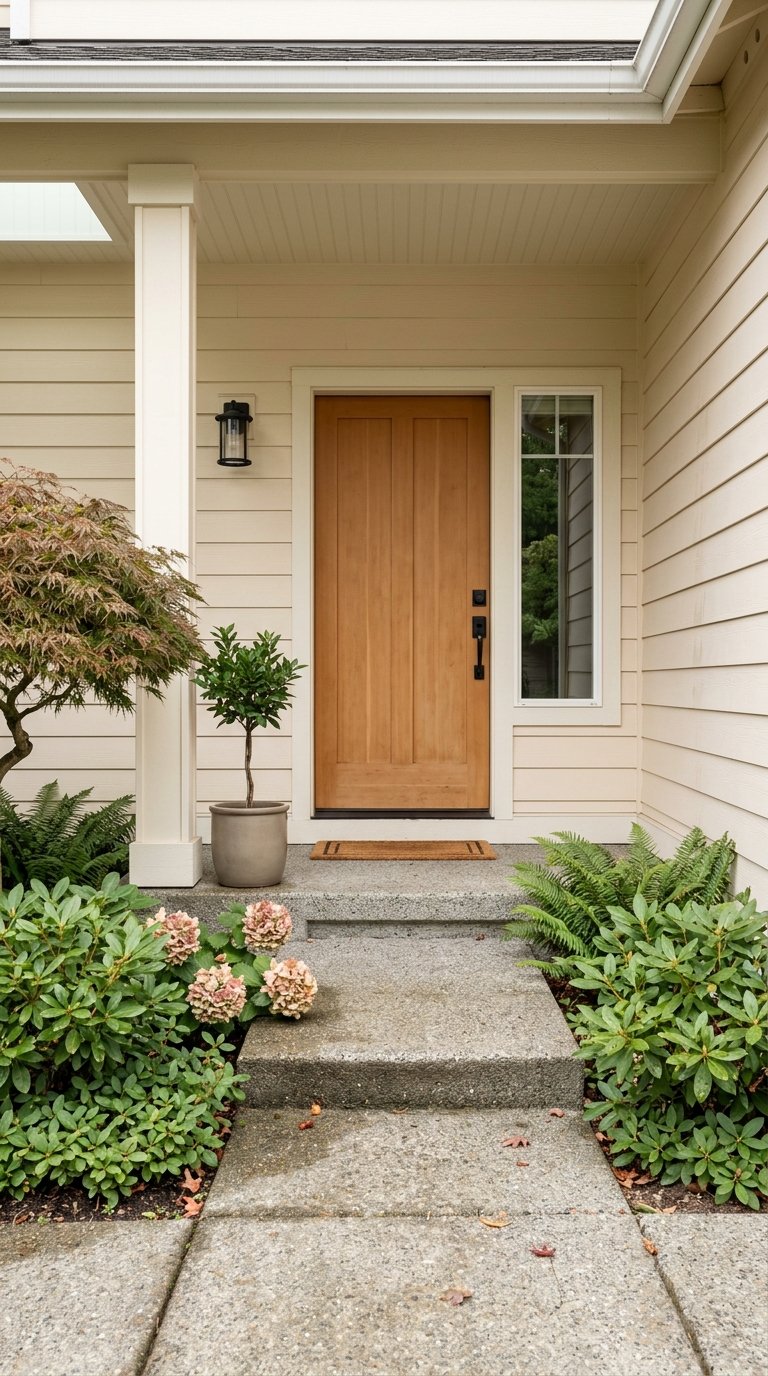
- Improve curb appeal
- Edit furniture to open sightlines
- Use neutral styling that does not compete with original details
This approach fits Eastmoreland well. If your home has beautiful windows, built-ins, hardwoods, or original trim, buyers should notice those first.
Why a Light Touch Works Best
A classic home usually shows better when it feels cared for rather than over-remodeled. Buyers often respond well when they can see the authenticity of the property and understand how it fits their daily life. A polished, organized presentation can do more for a historic home than a rushed round of trend-driven cosmetic changes.
For sellers who want a more guided process, this is where a thoughtful pre-sale plan can make a real difference. A staging and organization strategy should clarify the home’s best features, not hide them.
Know What to Fix and What to Verify
Before listing, it is smart to look closely at repairs, updates, and documentation. Portland notes that many interior alterations require permits, including moving or adding walls, enlarging openings, and adding a bathroom. Some smaller tasks, such as painting, insulation, gutters and downspouts, reroofing with similar-weight material, and replacing doors or windows without changing the opening size, generally do not require a building permit.
That distinction matters in an older home. If past work changed the layout or structure, it is wise to verify records before your home goes live.
Historic Review Can Still Apply
Eastmoreland is a National Register District, not a City-designated Historic District. Even so, Portland applies historic-resource rules to certain proposals in National Register districts. The city states that demolition review is required for contributing resources in a National Register-listed historic district, and some alterations, additions, new construction, demolition, and relocation proposals may also be regulated.
If you are considering exterior work before listing, the safest move is to verify the property’s status with Portland historic-resources staff before starting. That step can help you avoid delays and keep your marketing timeline on track.
Disclosures Matter in Older Homes
A well-marketed home is also a well-documented home. Oregon law requires most sellers to complete, sign, and deliver a seller’s property disclosure statement to each buyer who makes a written offer. For older Eastmoreland homes, this can be especially important because there may be a longer condition history to explain clearly.
If your home was built before 1978, lead-based paint rules are also likely to apply. Sellers of most pre-1978 housing must disclose known lead-based paint or lead-hazard information and provide the required federal lead-hazard information pamphlet before sale.
Clear Information Builds Trust
Disclosures are not just a legal step. They also help set expectations and reduce friction once a buyer is under contract. When your home has historic character, thoughtful updates, and a clear paper trail, buyers are often better able to appreciate what makes it special.
Price for the Market You Are In
Even a beautiful Eastmoreland home can lose momentum if it is priced without regard to condition and current demand. In March 2026, Redfin reported that Portland homes sold in around 19 days on average, received about three offers, and closed at 100.6% of list price. At the same time, 29.3% of Portland homes had price drops, which shows that buyers are still sensitive to pricing and presentation.
Eastmoreland sits in a higher price band than the city overall. Redfin reported a March 2026 median sale price of $823,500 in Eastmoreland with a 100.7% sale-to-list ratio. That premium suggests buyers are willing to pay for the neighborhood’s character and location, but not without limits.
Price Originality Honestly
The best pricing strategy usually treats originality as value, not as an excuse to overshoot the market. If your home has preserved details and strong presentation, those features can absolutely support premium positioning. But visible deferred maintenance or unclear update history can still slow a sale.
The key is to price based on both what buyers are getting and what they will not need to do after closing. When your marketing clearly shows preserved character, functional upgrades, and a realistic condition picture, your asking price has a stronger foundation.
A Better Strategy for Today’s Buyer
The strongest Eastmoreland listings do not try to compete with brand-new homes on sameness. They compete on story, quality, setting, and thoughtful livability. That is a much better fit for what makes this neighborhood special.
If you are preparing to sell, focus on the features that make your home unmistakably Eastmoreland. Clean up the presentation, clarify the updates, document what matters, and launch with visuals that help buyers fall in love before they schedule a showing.
A classic home deserves more than a standard listing plan. If you want help shaping the right story, presentation, and pricing strategy for your Eastmoreland sale, connect with Gennyfer Santel.
FAQs
How should you market a historic Eastmoreland home to modern buyers?
- Focus on preserved architectural details, clear photography, thoughtful staging, and listing copy that shows how original character works with modern-day function.
What features do buyers value in a classic Eastmoreland home?
- Buyers often respond to front porches, hardwood floors, useful office space, functional kitchens, laundry areas, exterior lighting, patios, and garages, especially when those features are presented clearly online.
Do Eastmoreland homeowners need permits before making updates to sell?
- Many interior alterations in Portland require permits, while some smaller projects generally do not, so it is important to verify the scope of any planned or past work before listing.
Do historic rules affect exterior changes in Eastmoreland?
- Yes. Eastmoreland is in a National Register district, and Portland applies historic-resource rules to certain proposals, so checking with city historic-resources staff before exterior work is the safest approach.
What disclosures matter most when selling an older Eastmoreland home?
- Oregon’s seller property disclosure statement is required in most sales, and pre-1978 homes typically also require lead-based paint disclosures if applicable.
How should you price a classic Eastmoreland house in today’s market?
- Price it based on neighborhood demand, visible condition, preserved character, and the value of any functional updates, while avoiding the temptation to overprice simply because the home is historic.