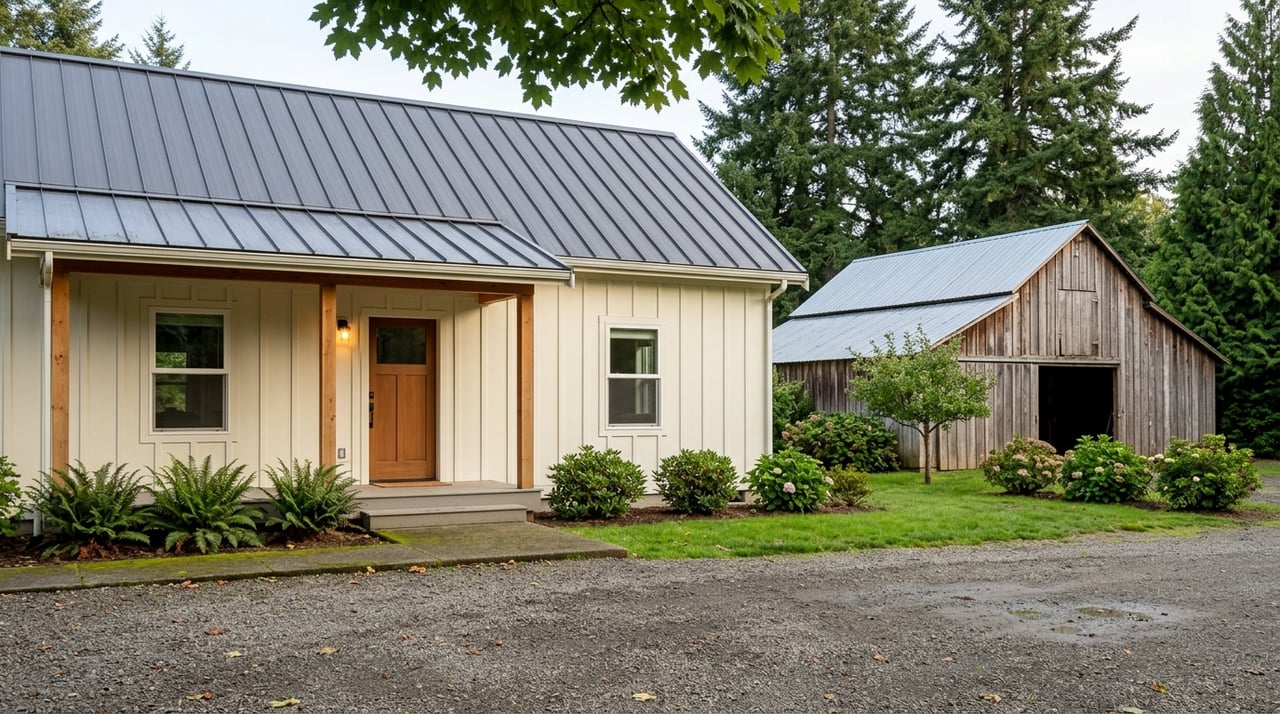
Dreaming about a little more space, a garden that actually has room to grow, or a property where outbuildings and open land matter as much as the house itself? If you are exploring hobby farm properties near Canby, you are not just shopping for a home. You are evaluating zoning, acreage, animal rules, water access, and the practical details that shape day-to-day rural living. This guide will help you understand what to look for so you can search with more clarity and fewer surprises. Let’s dive in.
Why Canby attracts hobby farm buyers
Canby has a distinct rural-edge feel that sets it apart from a standard suburban home search. The city describes itself as a small farming community, and it also explains that the urban growth boundary marks where city growth stops and farm and forest land begin. That line matters because the rules can change depending on whether a property is inside city limits, inside the UGB, or in nearby unincorporated Clackamas County.
For buyers, that means the first question is often about location in a land-use sense, not just location on a map. A home with a Canby address may not offer the same options for animals, outbuildings, or land use as a county acreage property nearby. The City of Canby’s community overview is a helpful starting point for understanding that bigger picture.
Start with zoning first
When you look at hobby farm properties near Canby, zoning is one of the most important pieces of the puzzle. Clackamas County notes that buyers should verify zoning and then read the zoning ordinance before assuming a use is allowed. That is especially important for acreage properties, where the land itself may be the main reason you are buying.
The county also makes clear that in rural districts, uses that are not listed are prohibited. In practical terms, that means you should not assume a barn, coop, fenced pasture, or open field automatically supports the use you have in mind. The county’s planning and permit guidance is a useful place to begin your due diligence.
City limits and county land work differently
Properties inside Canby city limits are governed differently than county acreage. Even if a city-lot property has a large yard, it may still be subject to rules that feel much more residential than rural. That can affect everything from animals to accessory structures.
Nearby county properties may allow a different range of uses, but those permissions still depend on the exact zoning district. The Canby urban growth boundary information helps explain why crossing one boundary line can change the entire conversation.
Common parcel sizes near Canby
One reason hobby farm searches can feel confusing is that acreage around Canby does not all follow one pattern. Based on Clackamas County’s rural residential and future urban districts, minimum lot sizes can range from 1 acre to 2 acres, 5 acres, and 10 acres depending on the zone. Within the Canby UGB, rural, agricultural, and forest zones generally use a 5-acre minimum lot size or larger.
That creates a practical pattern for buyers. You are likely to see hobby-farm-style properties organized around 1-acre, 2-acre, 5-acre, and 10-acre tracts, depending on the property’s zoning and location. The county zoning framework document gives important context for how those lot sizes are regulated.
What parcel size can mean for your search
A 1-acre property may offer room for gardens, a shop, or limited animal use, depending on the zoning and setup. A 2-acre parcel can provide a little more flexibility, especially if you want separation between the house, outdoor work areas, and fenced space. Larger 5-acre and 10-acre properties may open up more options, but they also bring more systems, maintenance, and review items.
The key is not assuming that more acreage automatically means fewer restrictions. The lot size, zoning district, and existing infrastructure all work together.
Outbuildings matter as much as the house
On a standard residential purchase, buyers often focus on layout, finishes, and condition. On a hobby farm property, the house is only part of the decision. Clackamas County treats accessory buildings and uses as a core part of rural living, including greenhouses, sheds, storage buildings, garages, rainwater collection systems, solar systems, and utility service lines.
That means your property tour should go beyond the kitchen and primary suite. The county rural zoning code shows why buyers should pay close attention to barns, fenced areas, utility access, coops, pens, storage, and whether those features support the way you plan to use the land.
Look closely at rural infrastructure
When you visit a property, it helps to think like both a homeowner and a land steward. Ask yourself whether the existing improvements are practical, well placed, and suited to your goals. In some cases, the value of the property may be tied as much to the infrastructure outside as the living space inside.
A few details to review include:
- Barns, sheds, and greenhouses
- Fencing and gated access
- Garden or crop areas
- Vehicle and trailer access
- Utility layout and service lines
- Wells and on-site wastewater systems
Animal rules can change by location
For many buyers, the idea of a hobby farm includes chickens, goats, sheep, or maybe even larger livestock. Around Canby, those possibilities depend heavily on whether the property is in the county or inside city limits. This is one area where assumptions can quickly lead to disappointment.
Clackamas County’s livestock standards say hobby-farm animal keeping is intended to be noncommercial. The county also sets minimum land and usable area standards for large livestock and other animals. The county livestock code is an essential resource if animal use is part of your plan.
County standards for livestock and fowl
In county-regulated rural areas, large livestock such as cows and horses require at least 1 acre, plus 25,000 square feet of usable barn or pen area per animal. Goats, miniature horses, and sheep require 10,000 square feet each. The county also prohibits roosters, peacocks, and other loud-call fowl in its livestock standards, while other fowl and rabbits are allowed only under specific setback and quantity limits.
Those rules show why a listing description alone is never enough. A fenced field may look ready for animals, but the legal allowances depend on the zoning and site conditions.
Canby city limits have different restrictions
Inside Canby city limits, the rules are more restrictive than many lifestyle buyers expect. The city requires a special animal permit for certain non-domestic animals, asks for signatures from affected neighbors, and states that roosters are not permitted. The permit can also be revoked for noise or sanitation complaints, according to the special animal permit application.
That means a large in-town lot should not automatically be treated like a rural acreage property. If animals are central to your vision, the exact jurisdiction matters right away.
Water can be a major hidden issue
Water is one of the biggest due-diligence items for hobby farm properties near Canby. Oregon water law does not automatically give a landowner the right to use water that flows past, through, or under the property. According to the Oregon Water Resources Department, all water belongs to the public, and some uses require permits.
There are exemptions for some uses, including stock watering and domestic well use up to 15,000 gallons per day. Still, if irrigation is important to you, those exempt uses may not cover everything you have in mind. Since the permit process can take a year or longer, water questions are worth addressing early.
Water rights do not automatically transfer
If a property includes a water right, that right does not automatically convey to the new owner. An ownership update or assignment may be needed, and changes to the point of diversion, type of use, or place of use generally require approval. For buyers, this makes water a legal and practical issue, not just a convenience item.
OWRD also says that when real estate includes land described in a water right, the seller must tell the buyer in writing whether the permit, transfer approval order, or certificate is available and must deliver it at closing if available. The water rights FAQ from OWRD is especially helpful for understanding that disclosure piece.
Wells, septic, access, and site review
A hobby farm purchase usually involves more systems than a typical in-town home. Clackamas County notes that subdivision and partition review should account for easements, roads, structures, wells, and on-site wastewater treatment systems. That tells buyers something important: access and utilities are not side notes on acreage properties.
The county planning materials support a more complete review of the land before you move forward. You will want to understand how the property is accessed, where utility lines run, what systems are on-site, and whether the existing setup matches your intended use.
A simple due diligence checklist
If you are serious about buying a hobby farm property near Canby, these are some of the first items to verify:
- Whether the property is inside Canby city limits, inside the UGB, or in unincorporated Clackamas County
- The exact zoning district and allowed uses
- Minimum lot size requirements tied to that zoning
- Animal allowances and restrictions
- Existing outbuildings, fencing, and utility infrastructure
- Well, septic, and wastewater details
- Easements, road access, and site layout
- Water-right status and related disclosures
This kind of search can be exciting, but it also rewards patience. A property that looks perfect at first glance may not align with your goals once the land-use details come into focus.
Why guidance matters in acreage searches
Buying a hobby farm property near Canby often means balancing lifestyle goals with very practical review. You are not only choosing a home. You are choosing a set of land-use permissions, systems, and limitations that will shape how you live on the property.
That is why clear guidance can make such a difference. With the right support, you can narrow in on properties that fit your vision and avoid spending time on homes that are unlikely to work.
If you are beginning your search for a hobby farm or acreage property near Canby, Gennyfer Santel can help you approach the process with clarity, thoughtful guidance, and a low-stress plan.
FAQs
What should I verify first when buying a hobby farm property near Canby?
- Start by confirming whether the property is inside Canby city limits, inside the urban growth boundary, or in unincorporated Clackamas County, because that affects zoning, animal rules, and land-use options.
Are chickens allowed on hobby farm properties near Canby?
- Chicken allowances depend on the property’s jurisdiction and zoning. Clackamas County allows chickens in rural areas under specific limits, while Canby city properties have different rules and roosters are not permitted.
Can I keep horses or cows on a small acreage near Canby?
- In Clackamas County, large livestock such as horses and cows require at least 1 acre plus 25,000 square feet of usable barn or pen area per animal, so the answer depends on the parcel size and site setup.
Do water rights transfer automatically with acreage properties near Canby?
- No. Oregon says water rights do not automatically transfer to a new owner, and an ownership update or assignment may be required.
Why are outbuildings important on hobby farm properties near Canby?
- On acreage properties, barns, sheds, fencing, utility access, greenhouses, and other rural infrastructure can directly affect how you use the land, so they matter almost as much as the home itself.