Wondering how to get your bearings in Oregon City without trying to see everything at once? This is a place that rewards a slower pace, where you can start downtown, ride up the bluff, and end the day by the river. If you are new to the area, this weekend guide will help you explore Oregon City in a way that feels easy, local, and true to how the city is laid out. Let’s dive in.
Start with Oregon City's layout
Oregon City is not just a city you visit by street name. It is also a city you experience by elevation. According to the City of Oregon City history page, the earliest development began on the lower terrace near the river, residential growth moved up onto the bluff, and later expansion spread farther east.
That pattern helps explain why a weekend here feels layered. You can spend part of the day in the downtown core, head uphill for wider views and older residential streets, and then make your way back toward the water. It also gives you a useful first impression if you are starting to think about what living here might feel like.
Begin downtown
Make the Welcome Center your first stop
If this is your first weekend in town, start at the End of the Oregon Trail Interpretive & Visitor Information Center. It is one of the simplest ways to get local brochures, visitor information, and a little historical context before you head into the rest of the city.
Starting here helps everything else make more sense. Oregon City is known as the first incorporated city west of the Rocky Mountains, and that long history is part of what gives the downtown area its character. You are not just seeing a collection of stops. You are seeing how the city developed over time.
Walk Main Street and 7th Street
Once you head into the core, you will notice that downtown feels more comfortable to explore on foot than many people expect. The city notes on its public investments page that Main Street and 7th Street saw upgrades like wider sidewalks, landscaping, and safer crossings, while McLoughlin Boulevard was redesigned to better reconnect downtown to the riverfront.
For you, that means a weekend visit can feel more connected and less car-dependent. You can browse storefronts, pause for coffee, and move between downtown blocks without the area feeling broken up. If your goal is to test out the rhythm of daily life, this is a good place to start.
Grab coffee and a casual bite
A good weekend guide should leave room for a few easy food stops. On Main Street, Black Ink Coffee offers coffee, espresso drinks, tea, and other beverages. On 7th Street, Singer Hill Cafe is a reliable option for soups, salads, paninis, pastries, and coffee.
If you want to keep things flexible, downtown also has a broader range of dining options. The Downtown Oregon City Association dining directory shows that you can find brunch, casual lunch, food-cart dining, and sit-down dinner within the downtown area. That variety is part of what makes Oregon City feel livable, not just visitable.
Ride up the bluff
Take the Municipal Elevator
One of the most memorable ways to understand Oregon City is to use the Municipal Elevator. The city describes it as one of only four municipal elevators in the world, and it serves as a pedestrian link between downtown and the upper-level business and residential districts.
This is more than a novelty stop. It is the clearest physical transition between the lower downtown and the bluff above. If you are new to Oregon City, that quick change in elevation helps you see how the city fits together.
Walk the McLoughlin Promenade
After the elevator, head to McLoughlin Promenade. The city describes it as a 7.8-acre linear park above downtown with views of the Willamette River, Willamette Falls, and downtown Oregon City.
This is one of the best stops for slowing down and taking in the setting. It connects naturally to the elevator and gives you a strong sense of the city’s geography. For many newcomers, this is the moment Oregon City starts to feel distinct from other communities in the Portland metro.
Add a river or park stop
If you still have energy after downtown and the bluff, Oregon City has a few easy outdoor add-ons that round out the weekend.
Try Clackamette Park
For a different river experience, Clackamette Park puts you near the confluence of the Willamette and Clackamas rivers. The research notes it includes a boat launch, walking paths, picnic areas, and other family-friendly amenities.
This stop feels more open and recreational than downtown. It works well if you want fresh air, a casual walk, or a low-key reset before dinner.
Look out from Canemah
If you are drawn to scenic overlooks, Canemah is worth your time. Research highlights Canemah Children’s Park as a viewpoint stop above the river next to Metro’s Canemah Bluff natural area, with views, wildflowers, and wildlife habitat.
It is a quieter way to experience Oregon City’s natural side. It also helps you understand how close historic areas, neighborhoods, and natural spaces can feel within the same city.
Use the walking and biking map
If you prefer to explore with a loose plan, the city’s walking and biking map is a smart tool to pull up before your weekend starts. It is free, includes 23 points of interest, and offers suggested routes rated easy, moderate, or challenging.
That matters if you are trying to answer a practical question: can you really spend a full weekend here without driving everywhere? In many cases, yes. Between downtown, the elevator, the promenade, and nearby parks and viewpoints, Oregon City gives you several close-in options that connect well for a first visit.
Notice the housing story as you go
One of the most useful things about a weekend in Oregon City is that you can quietly learn the housing story just by moving through town. Downtown and the lower terraces feel more historic and commercial. The bluff areas show a more residential side, and farther-out areas reflect later growth.
According to the city’s history page, neighborhoods shifted from the downtown core to the bluff before 1900 and then expanded farther east after World War II. That helps explain why the city can feel varied in a good way. You are seeing different eras of growth rather than one single pattern.
McLoughlin and Canemah
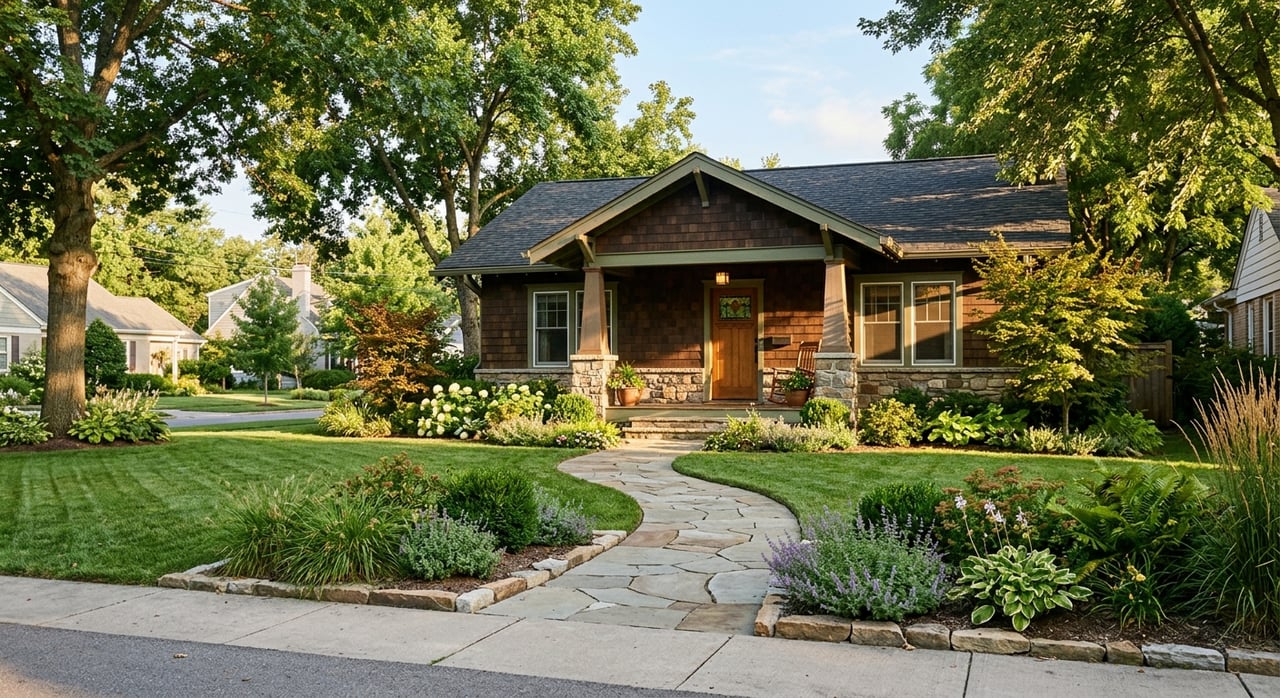
Two of the clearest examples of that older housing character are McLoughlin and Canemah. The McLoughlin Conservation District is described by the city as a primarily residential bluff neighborhood with a late-19th- to early-20th-century feel, including Queen Anne homes, bungalows, post-1925 houses, and some apartments.
Canemah adds another layer. Research notes that it is a National Register historic district just above the falls and one of the few remaining intact former riverboat towns. If you enjoy neighborhoods with visible history and a sense of place, these areas help show what makes Oregon City stand out.
Newer growth farther out
Oregon City is not only about historic districts. The research also points to the South End and Park Place planning areas as examples of newer growth, connected transportation, mixed-use neighborhoods, and a variety of housing choices.
That broader mix matters if you are considering a move. Oregon City can offer older homes near the historic core, bluff-top residential areas, and newer development farther out, depending on the kind of layout and lifestyle you want.
A simple Oregon City weekend plan
If you want an easy first-weekend outline, try this:
Day one
- Start at the Welcome Center
- Walk downtown Main Street and 7th Street
- Stop for coffee at Black Ink Coffee or a bite at Singer Hill Cafe
- Take the Municipal Elevator up the bluff
- Walk McLoughlin Promenade
- Stay downtown for dinner
Day two
- Use the walking and biking map to choose a route
- Spend time at Clackamette Park or head toward Canemah for views
- Drive or walk through a few different parts of town to notice how the housing changes from the core to the bluff and farther east
This kind of weekend gives you a real feel for Oregon City. You are not just checking off attractions. You are learning how the city connects, block by block and level by level.
Why this matters if you're thinking of moving
A local weekend guide is helpful on its own, but it can also tell you a lot about whether a place fits your day-to-day life. Oregon City offers history, river views, walkable pockets, and a housing mix shaped by different eras of growth. That combination gives the city texture, which is often hard to get from listing photos alone.
If you are exploring Oregon City as a possible next move, a weekend like this can help you narrow down what feels right. You may find yourself drawn to the downtown core, the older bluff neighborhoods, or newer areas with a different pace and housing style.
If you want help turning that early interest into a focused home search, Gennyfer Santel can help you make sense of the options and move forward with more clarity.
FAQs
Where should a first-time visitor start in Oregon City?
- A strong first stop is the End of the Oregon Trail Interpretive & Visitor Information Center because it offers local information, brochures, and helpful context before you explore downtown.
Can you spend a weekend in Oregon City without driving everywhere?
- Yes, many first-time visitors can explore a full weekend with limited driving because downtown, the Municipal Elevator, McLoughlin Promenade, and several nearby stops connect well.
What is the best scenic walk in Oregon City for new residents?
- McLoughlin Promenade is one of the best scenic walks because it offers views of the Willamette River, Willamette Falls, and downtown Oregon City.
What kinds of homes will you see in Oregon City neighborhoods?
- As you move through Oregon City, you will see a mix of historic downtown-adjacent areas, older bluff neighborhoods like McLoughlin and Canemah, and newer growth farther east.
Is Oregon City only known for history?
- No, Oregon City has a strong historic identity, but it also offers updated walkable streets, riverfront access, parks, and a range of housing areas that reflect continued growth.