If you want suburban convenience without feeling too far from parks, trails, and Portland-area job centers, Clackamas is worth a closer look. For many buyers, the big question is not just what homes cost, but what daily life actually feels like once you move in. This guide walks you through the housing mix, commute patterns, shopping access, and outdoor amenities that shape life in Clackamas so you can decide whether it fits your next chapter. Let’s dive in.
Clackamas at a glance
Clackamas feels more suburban than urban. County planning and parks information point to an unincorporated urban area with established services, neighborhood amenities, and a practical layout inside the Portland metro area.
In day-to-day terms, that usually means you can expect a car-friendly routine, a mix of residential pockets and commercial corridors, and easy access to the basics. If you are hoping for a dense city grid with shops on every corner, Clackamas may feel different from what you have in mind.
What the neighborhood feel is like
A big part of Clackamas appeal is its straightforward, service-centered layout. Rather than reading like an urban core, the area functions more like a suburban hub where homes, parks, retail, and commuter routes work together.
That can be a strong fit if you want room to spread out a bit while staying connected to the Portland metro. It can also appeal to buyers who want neighborhood amenities nearby without the pace or density of a more urban setting.
Housing in Clackamas
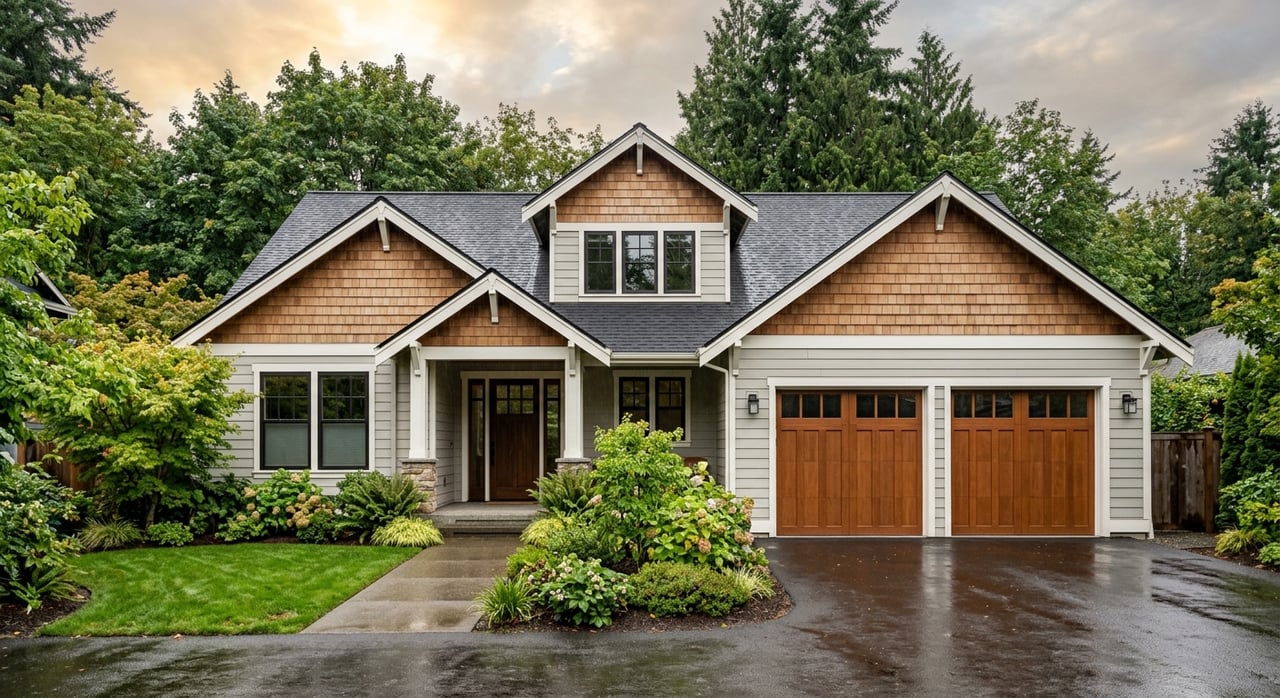
Clackamas County housing data shows a market that still leans heavily toward detached single-family homes. For 2016 through 2020, 73% of housing units in the county were 1-unit structures, and 69% were detached 1-unit homes.
That matters because it helps set expectations for what you are most likely to see as you search. You will still find attached homes, smaller multifamily properties, larger apartment buildings, and mobile homes, but the overall housing pattern remains mostly single-family.
County QuickFacts also show a 70.7% owner-occupied rate, which supports the picture of an owner-heavy market. The same source reports a median owner-occupied home value of $611,000 countywide, so buyers should plan for a market that can feel relatively expensive for a suburban area.
What lot sizes usually look like
If you picture Clackamas as endless large lots, county planning suggests a more nuanced reality. Low-density residential policy ranges from 2,500 to 30,000 square feet depending on location and site conditions.
In parts of the Sunnyside and Clackamas corridor, planning policies specifically call for 2,500- and 5,000-square-foot low-density lots in some designations. In practical terms, many buyers should expect suburban lots rather than acreage, with somewhat denser pockets closer to the main corridor and town center.
Shopping and errands in Clackamas
For everyday convenience, Clackamas Town Center is one of the biggest anchors in the area. Its official site describes it as a major shopping and dining destination, and it includes a 20-screen Century Theatres.
That kind of retail concentration shapes how the area functions. Instead of a highly walkable street-by-street commercial pattern, many of the most common errands and dining options are clustered around the town center and the Sunnyside corridor.
If you like having major retail close by, that setup can be very convenient. If your ideal routine involves doing most errands on foot from a dense neighborhood grid, you may want to be selective about where in the broader area you focus your search.
Commuting and getting around
Clackamas generally fits a commute-friendly suburban pattern. County-wide QuickFacts report a mean travel time to work of 27.0 minutes, which lines up with an area where many residents rely on freeway access, transit connections, or a mix of both.
For many households, a car will still be part of daily life. That said, transit becomes more useful near Clackamas Town Center, especially if you want another option for getting into Portland.
Transit near Clackamas Town Center
TriMet’s Clackamas Town Center Transit Center is served by the MAX Green Line and 11 bus lines. It also includes park-and-ride access and a 750-space structured parking facility.
The MAX Green Line runs to Portland City Center and Portland State University every 15 minutes or better most of the day, every day. If you want suburban living with a more practical transit connection than you might expect, this is one of the strongest parts of the Clackamas lifestyle.
Parks and recreation
One of the clearest strengths of living in Clackamas is access to parks and recreation. NCPRD reports more than 38 parks, 25 natural areas, 15 miles of trails, and the 6-mile Trolley Trail across the district it serves.
That gives the area a more balanced feel. Even though the neighborhood pattern is suburban, outdoor space is not an afterthought.
Local parks and activity options
Mount Talbert Nature Park and the North Clackamas Aquatic Park stand out as major local amenities. The aquatic park is an indoor, year-round facility with a wave pool, water slides, a kiddie pool, toddler splash zone, lap pool, hot tub, and climbing wall.
Pioneer Park in Clackamas adds another neighborhood-scale option. NCPRD describes it as a 2-acre park with a playground, basketball court, picnic shelter, perimeter trail, and open play space.
Weekend access to bigger outdoor spaces
If you like having easy options for bigger outings, the broader county park system adds even more appeal. Clackamas County Parks says the system includes 15 parks and 4 undeveloped properties across nearly 1,000 acres, plus 242 campsites, 11 picnic shelters, 7 water access sites, and access to the Springwater Corridor Trail.
The county also describes the Springwater Corridor as a scenic 21-mile paved trail running from downtown Portland to Boring. Barton Park on the Clackamas River is another popular destination that helps round out the area’s outdoor draw.
This is part of what makes Clackamas feel practical and livable. You can have a suburban home base while staying close to trails, water access, and natural spaces when you want a change of pace.
Who Clackamas may fit best
Clackamas can be a strong match if you want a suburban Portland-metro setting with detached homes, convenient shopping, and a solid mix of parks and commuter access. Buyers who value a predictable routine and easy access to everyday services often appreciate how the area is laid out.
It may be especially appealing if you want a home that feels connected to neighborhood amenities without giving up access to larger retail and transit hubs. The housing mix also supports buyers who are focused on traditional suburban home styles and owner-occupied neighborhoods.
A few things to weigh carefully
Clackamas will not feel the same as a dense, highly walkable urban neighborhood. Many conveniences are concentrated in specific retail and transit areas rather than spread evenly across a city-style grid.
That does not make the area less desirable. It simply means your experience can vary depending on how close you are to the town center, major corridors, parks, and transit options.
If you are comparing Portland-area suburbs, it helps to think clearly about your routine. Ask yourself how often you want to drive for errands, how important transit is to you, and whether access to parks and trails matters more than a more urban street pattern.
Why local guidance matters
Clackamas has a clear overall identity, but the feel can still shift from one pocket to another. Some areas may place you closer to shopping and transit, while others may feel more residential and tucked away.
That is where a guided home search can save you time and stress. When you know how you want to live, it becomes much easier to narrow in on the right part of Clackamas and the right type of home for your needs.
If you are thinking about buying or selling in Clackamas, working with a team that understands Portland-metro suburb dynamics can make the process feel much more organized. For tailored guidance, connect with Gennyfer Santel to talk through your goals and next steps.
FAQs
What is the overall feel of living in Clackamas, Oregon?
- Clackamas generally feels like a suburban part of the Portland metro, with urban services, neighborhood amenities, retail hubs, and a more car-friendly layout than a dense city center.
What types of homes are most common in Clackamas?
- The broader county housing stock is still dominated by detached single-family homes, with additional attached, multifamily, and other housing types mixed in.
What are lot sizes like in Clackamas, Oregon?
- County planning policies show low-density residential lots can range from 2,500 to 30,000 square feet depending on location and site conditions, with some corridor areas calling for smaller suburban lots.
Is Clackamas a good place for commuting into Portland?
- Clackamas can work well for commuters, especially near Clackamas Town Center, where the MAX Green Line and multiple bus routes provide stronger transit access into Portland.
What shopping and entertainment options are near Clackamas?
- Clackamas Town Center is a major local anchor for shopping, dining, and entertainment, including a 20-screen movie theater.
What parks and trails are available in Clackamas, Oregon?
- NCPRD reports more than 38 parks, 25 natural areas, 15 miles of trails, the 6-mile Trolley Trail, and amenities like Mount Talbert Nature Park and the North Clackamas Aquatic Park.
What outdoor destinations are close to Clackamas for weekends?
- The wider county park system includes nearly 1,000 acres, campsites, water access sites, the Springwater Corridor Trail, and popular destinations such as Barton Park on the Clackamas River.