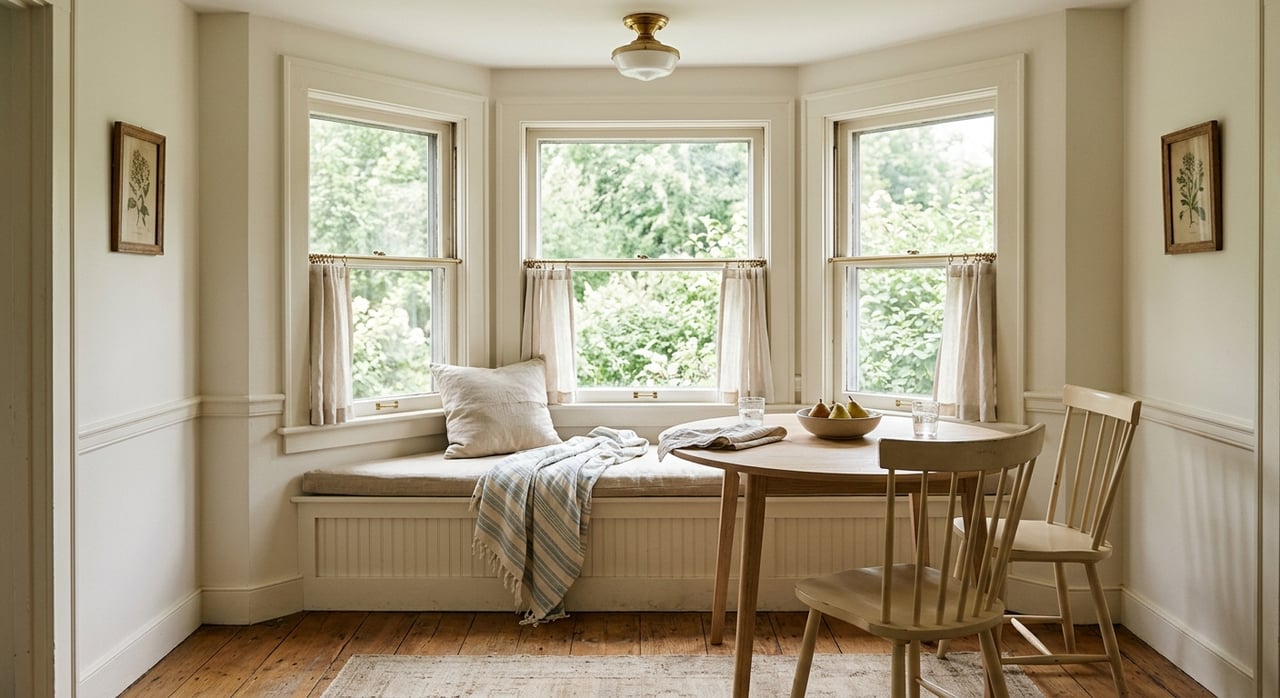
Wondering whether you should invest in updates before listing, or skip the hassle and sell your Portland home as-is? In this market, that choice can have a real impact on your timeline, buyer interest, and final price. The good news is that you do not need to guess. With the right strategy, you can focus on the changes that matter most and avoid spending where it is unlikely to pay off. Let’s dive in.
Why condition matters in Portland
Portland is not a market where buyers ignore visible condition. Redfin reported a median sale price of $534,680 in Portland in May 2026, while Realtor.com’s June 2026 local report showed a median list price of $598,950, median days on market of 51, and price reductions on 27% of listings.
That tells you something important. Buyers are active, but they are also price-sensitive and selective. Portland’s Housing Bureau notes that home sale prices and rents have continued to rise faster than incomes, which means many buyers are watching value closely and reacting to homes that feel like they need too much work.
Portland homes often need a targeted plan
Portland has an older housing stock, and that changes the update-versus-as-is conversation. The city says more than half of Portland housing was built before 1960, about one-third before 1940, and roughly 60% of units are single-dwelling homes.
Older homes can be full of charm, but they can also raise questions for buyers. Finished attics, basements, added rooms, older systems, and unclear permit history can all create hesitation if they are not addressed clearly before listing.
At the same time, older homes are not just competing with other older homes. Portland has also permitted more than 1,400 ADUs and middle-housing units between August 2021 and June 2024, and the average sales price of a new market-rate middle-housing unit in 2023-24 was $250,000 to $300,000 less than a new detached house.
That means your home may be compared against newer, lower-maintenance options. If your property shows well and feels move-in ready, that can help. If it feels tired or uncertain, buyers may discount it more aggressively.
The best Portland answer is usually in the middle
In many cases, the decision is not fully renovate or do nothing. In Portland, the smarter move is often to identify the few updates that remove the biggest buyer objections.
This matters because Portland’s pricing varies widely by neighborhood and ZIP code. Redfin snapshots range from the high-$300,000s to the mid-$1,000,000s, including examples near $379,500 and $1.695 million. A prep plan that makes sense in one price band may not make sense in another.
If your home sits in a price range where buyers expect polish, skipping visible prep can hurt you. If your home needs major work and buyers in that segment are already looking for projects, selling as-is may be the more practical choice.
Updates that usually make sense before listing
When sellers do prepare a Portland home for market, selective and visible improvements tend to be the safest bet. National remodeling data supports that approach.
In the 2025 Remodeling Impact Report, 46% of buyers were described as less willing to compromise on condition. The projects Realtors most often recommended before listing were painting the entire home, painting one interior room, and new roofing.
For many Portland sellers, the most useful updates are the ones that improve first impressions, reduce buyer anxiety, and look strong in photos. These often include:
- Interior paint
- Deep cleaning
- Decluttering
- Minor repairs
- Carpet cleaning
- Depersonalizing
- Landscaping refresh
- Grout touch-ups
- Small exterior or entry improvements
These updates are usually easier to control in cost and timeline than major remodels. They also align well with how buyers shop today, especially online where presentation can shape whether someone books a showing.
Presentation can influence buyer response
Staging and presentation matter because they help buyers picture themselves in the space. NAR’s 2023 staging study found that 48% of seller’s agents said staging decreases time on market, while 81% of buyer’s agents said staging makes it easier for clients to visualize living in a home.
The same study found that 20% of buyer’s agents said staging can increase offers by 1% to 5%. The rooms most often seen as important to stage were the living room, primary bedroom, and kitchen.
That does not mean every Portland home needs an expensive redesign. It means thoughtful presentation can help your listing feel more inviting, more cared for, and easier to understand. For a team like Santel Home Team, that is where a service like Sorted can support sellers who want a polished result without unnecessary stress.
When bigger updates may not be worth it
Not every improvement adds enough value to justify the cost. If you are thinking about a full kitchen renovation, major bath overhaul, or extensive system upgrades right before listing, it is worth slowing down and running the numbers carefully.
In Portland, this is especially true for homes with older construction or unclear permit history. Once a project moves beyond cosmetics, the city’s permit rules become part of the value equation.
Portland says permits are required for certain residential projects, and permits create a legal record of work performed. The city also notes that buyers, real estate professionals, or lenders may require unpermitted work to be corrected and inspected before closing.
If the work is large enough to trigger permits, your prep timeline may stretch longer than expected. That can make a major pre-sale project less attractive, especially if your goal is a smooth sale with less disruption.
When selling as-is can be the smarter move
Selling as-is can be the right choice when the home needs substantial structural, mechanical, or permit-heavy work. It can also make sense if you value speed, simplicity, or certainty more than pushing for the highest possible gross price.
This path is often worth considering if your home has:
- Major repair needs
- Older updates with unclear permit history
- Spaces that may raise code or use questions
- Potential lead-safe renovation concerns in a pre-1978 home
- A timeline that does not allow for extended prep
Portland’s permit guidance also notes that lack of permits and inspection approvals may void insurance. In a situation like that, it may be better to price honestly and market clearly rather than rush into complicated repairs before listing.
Selling as-is does not mean hiding problems. It means choosing not to complete certain repairs or updates before the sale, while still disclosing what you know and pricing the property accordingly.
Disclosures still matter in Oregon
If you sell as-is in Oregon, your disclosure duties still remain. Under Oregon law, most sellers of real property improved by one to four dwelling units must complete and deliver a seller’s property disclosure statement to a buyer who makes a written offer.
Those disclosures are based on your actual knowledge. The law also gives the buyer five days from delivery to revoke the offer unless that right is waived.
For homes built before 1978, there may be another layer. Sellers of most such housing must disclose known lead-based paint and hazard information before sale, and Oregon Health Authority says renovation, repair, and painting work that disturbs qualifying paint in pre-1978 homes must follow federal lead-safe certification and work-practice requirements.
This is one reason some sellers choose as-is rather than starting repairs that could trigger a more complicated prep process. The right decision depends on the condition of the home, your timing, and the likely return on the work.
Room-by-room issues can affect buyers
With Portland’s older homes, some buyer concerns are very specific. The city warns that some older bedrooms, attics, basements, and similar spaces may have been approved under older code requirements or may never have been legally created as sleeping rooms.
That does not automatically stop a sale, but it can affect pricing, buyer confidence, and negotiations. If a space is likely to raise questions, it is better to understand that early and build your strategy around it.
This is where a thoughtful listing plan matters. Clear pricing, smart presentation, and honest positioning can often do more for your outcome than over-improving a home without a clear return.
A practical rule for Portland sellers
Here is a useful Portland rule of thumb. Update when the issues are mostly cosmetic, the neighborhood and price band can support the investment, and the likely price lift is greater than the prep cost.
Sell as-is when the home needs major work, the permit or lead-safety layer is complicated, or speed and simplicity matter more than maximizing the gross sale price. In this market, the goal is usually not perfection. It is removing the biggest buyer objections so your home can compete well.
How to decide what to do next
If you are unsure which path makes sense, start with a short, honest review of your home in three categories:
- Cosmetic: paint, flooring wear, clutter, cleaning, landscaping, outdated finishes
- Functional: roof, systems, windows, visible maintenance issues
- Compliance: permits, finished spaces, older additions, pre-1978 lead-related concerns
From there, weigh the likely cost, timeline, and buyer reaction in your specific Portland price band. Often, a modest prep plan paired with strong marketing is enough. Other times, an as-is strategy will protect your time, budget, and peace of mind.
The key is choosing intentionally. When your pricing, preparation, and presentation all match the realities of your home and your market segment, you put yourself in a much stronger position.
If you want help sorting through what is worth doing before you list, Gennyfer Santel can help you build a smart, low-stress plan for your Portland sale.
FAQs
Should you update or sell as-is in Portland?
- In Portland, updating usually makes sense when issues are mostly cosmetic and the likely sale-price benefit is greater than the prep cost, while selling as-is may be better for homes with major repair, permit, or timeline challenges.
What updates matter most before selling a Portland home?
- The most practical pre-list updates are often paint, deep cleaning, decluttering, minor repairs, landscaping, and other visible improvements that help photos, showings, and buyer confidence.
Can you sell a Portland home as-is and still have to disclose issues?
- Yes. In Oregon, most sellers of one-to-four-unit residential property must provide a seller’s property disclosure statement based on their actual knowledge after a buyer makes a written offer.
Do permits matter when selling an older Portland home?
- Yes. Portland says permits create a legal record of work performed, and unpermitted work may need to be corrected or inspected before closing depending on the situation.
Does lead-based paint matter when selling a pre-1978 Portland home?
- Yes. Sellers of most pre-1978 homes must disclose known lead-based paint and hazard information before sale, and repair or painting work that disturbs qualifying paint must follow lead-safe requirements.
Is staging worth it for a Portland listing?
- It can be. National staging data found that staging can help buyers visualize living in the home and may reduce time on market, especially in key spaces like the living room, primary bedroom, and kitchen.