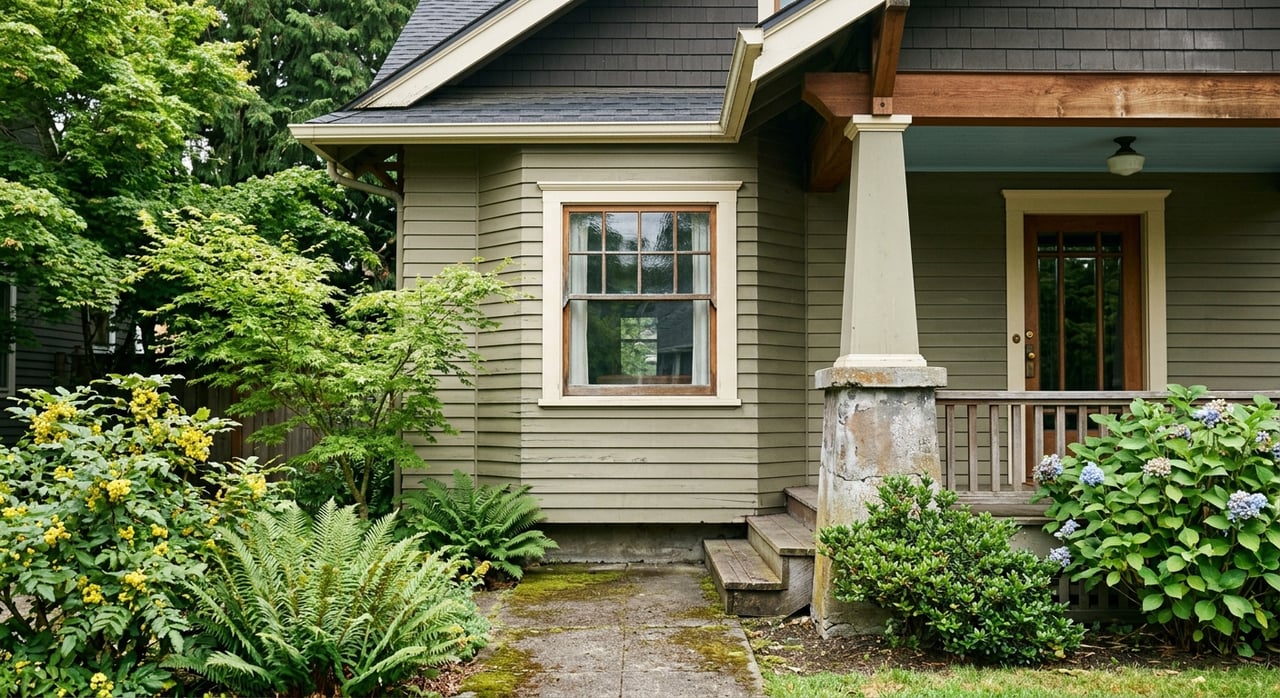
Wondering if a fixer in Foster-Powell is your smart way into Portland homeownership? You are not alone. Many buyers are drawn to this neighborhood because it still offers relatively affordable price points by Portland standards, but older homes can come with a different kind of math. If you are thinking about buying a fixer here, this guide will help you understand the homes, the risks, the budget questions, and the steps that can help you move forward with more confidence. Let’s dive in.
Why Foster-Powell Draws Fixer Buyers
Foster-Powell has long appealed to buyers looking for value in Portland. The City of Portland says the neighborhood attracts many young families and immigrants because of affordable housing, and the 2023 neighborhood profile reported a 67% homeownership rate and a median owned-home value of $416,537.
More recent market data still places the neighborhood in the low-to-mid $400,000s. Redfin reported a median sale price of $433,754 in May 2026 and described the market as very competitive. That combination can make a fixer especially appealing if you want more house potential for your budget.
What Kind of Homes You Will See
Foster-Powell has an older, mixed-era housing stock. An official Portland fire history report notes that much of the housing in the area within Fire Management Area 25 dates from the late 1940s through the late 1950s, though the neighborhood itself has roots that go back much earlier.
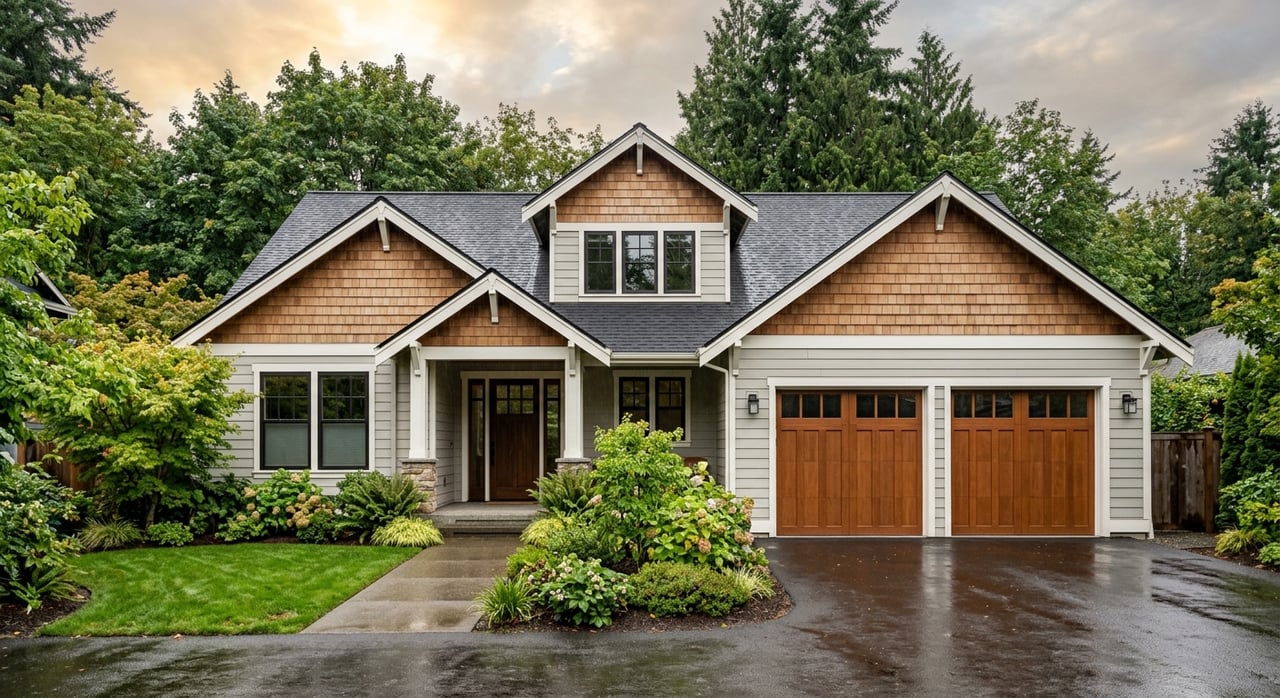
That means you may come across a range of Portland home styles. Historic housing documentation from Portland describes Foursquare homes as boxier houses with hipped or pyramidal roofs and full-width porches, while bungalows are usually one to one-and-a-half stories with low-pitched roofs, wide eaves, and front porches. Postwar homes often take the form of minimal-traditional or ranch-style houses.
In practical terms, many fixer buyers should expect compact layouts and older bones. You may find smaller kitchens, tighter bathrooms, and a mix of original features and later updates layered over time.
Cosmetic Fixes Versus Bigger Renovations
One of the most important parts of buying a fixer is knowing the difference between a project that is mostly cosmetic and one that changes your timeline and budget in a major way.
According to the City of Portland, work that is usually cosmetic or lower-permit includes:
- Painting
- Storm windows
- Gutters and downspouts
- Repairing or replacing non-fire-resistive siding
- Reroofing with similar-weight material
- Replacing doors or windows without changing opening size
- Interior wall or ceiling coverings
- Shelving and cabinets
- Non-structural partitions
These projects can still cost money, but they tend to be more straightforward than changes that affect structure, systems, or habitable space.
When Portland Permits Usually Matter
Permits are usually required when you start changing how the home is built or used. In Portland, that often includes:
- Moving or adding walls
- Converting an attic, garage, or basement to habitable space
- Adding a bathroom
- Cutting new or wider window or door openings
- Building a deck more than 30 inches high
- Building an exterior stairway more than 30 inches above grade
Electrical, plumbing, and mechanical work often require separate permits too. If your fixer plan includes opening up the layout, adding square footage, or creating more living space, you should expect more planning before work begins.
Larger remodels can trigger an even more involved process. Portland requires permits for additions, and Major Residential Alteration and Addition rules apply when a project removes more than 50% of exterior walls above the foundation or adds more than 500 square feet. Those projects also include notification and delay requirements.
Hidden Costs That Can Change the Deal
The most expensive fixer surprises are not always the ones you can see during a showing. In older homes, underground or behind-the-wall issues can have a big impact on your budget.
One major example is the sewer lateral. Portland says sewer work from the house to the property line must be permitted and inspected. If work extends into the right-of-way between the property line and the curb, that can require additional permitting and inspection through Portland Transportation. The city also notes that older homes may connect at the curb rather than the property line, which can complicate the repair scope.
This is one reason a general home inspection is only the start of your due diligence. The Oregon Construction Contractors Board says a home inspection is a general visual examination and does not inspect underground piping, septic systems, wells, or inaccessible areas.
Why Specialized Inspections Matter
If the general inspection raises concerns, it is often worth getting more information before you close. The Consumer Financial Protection Bureau recommends scheduling the home inspection as soon as possible so you have time for additional inspections and negotiation if problems are found.
The Oregon Construction Contractors Board also advises buyers to choose an independent inspector and consider a second opinion from a licensed contractor when repairs are identified. For a fixer, this step can help you separate a manageable project from one that could stretch your finances.
Oregon Health Authority guidance adds two more items worth keeping on your radar. It recommends radon testing during the inspection process, and it notes that older homes, especially those built before 1950, are more likely to have lead-based paint.
How to Budget for a Foster-Powell Fixer
A smart fixer budget treats the purchase and the renovation as two separate numbers. It is easy to focus on the list price, especially in a competitive neighborhood, but the real question is whether the total cost still works for your goals.
Your project budget should include visible repairs, possible specialized inspections, permit-related costs, and a contingency for surprises. Portland's permit pages make clear that incomplete applications cannot be issued, and larger projects may involve notification and delay steps, so both time and money need some breathing room.
A simple way to think about it is this:
| Budget Category | What to Include |
|---|---|
| Purchase Budget | Down payment, closing costs, immediate move-in needs |
| Renovation Budget | Cosmetic updates, contractor bids, permit-related work, contingency |
| Time Budget | Inspection period, follow-up bids, permit planning, repair timeline |
Keeping those categories separate can help you avoid overcommitting early.
Use Portland Maps Early
Before you fall too hard for a specific house, use the city tools available to you. Portland says Portland Maps can show neighborhood boundaries, permit history, land use reviews, county assessor information, demolitions, and short-term-rental data for a property.
For fixer buyers, this can be especially useful. A permit history may help you understand whether past work appears to have gone through the city process, and assessor information can give you more context as you evaluate the home.
A Practical Due Diligence Sequence
When you buy a fixer, order matters. The most practical path is usually to gather information in stages so you can make decisions with less guesswork.
A strong sequence often looks like this:
- Schedule the general inspection early.
- Review the findings and identify any bigger concerns.
- Bring in licensed contractors or specialists when needed.
- Get rough repair bids before your contingency deadlines end.
- Research likely permit requirements before finalizing your renovation plan.
The CFPB says buyers may be able to negotiate repairs or cancel if the contract is contingent on a satisfactory inspection. That can give you important leverage if the house needs more work than expected.
Think Beyond the First Renovation
It also helps to think about resale, even if you plan to stay for years. In Portland, sellers of qualifying homes must obtain and disclose a Home Energy Score before listing. The score evaluates insulation, windows, and heating and cooling systems.
The state also says no city requires a minimum score to sell. Still, if your future renovation plans include windows, insulation, or mechanical updates, those improvements may shape how the home presents when it is time to sell later.
What This Means for You
A fixer in Foster-Powell can make sense if you are comfortable trading some certainty for long-term potential. The neighborhood remains relatively affordable by Portland standards, but the housing stock is older, the market is competitive, and the biggest costs are often hidden behind walls, below the ground, or inside the permit process.
The buyers who tend to feel best about the decision are the ones who go in with a plan. If you inspect early, separate cosmetic wants from true repair needs, and leave room in your budget for surprises, you can evaluate a Foster-Powell fixer with clearer eyes and more confidence.
If you are weighing whether a fixer is the right fit for your budget and timeline in Portland, Gennyfer Santel can help you sort through the tradeoffs and take the next step with clarity.
FAQs
What price range should you expect for a fixer in Foster-Powell?
- Recent data places Foster-Powell home prices in the low-to-mid $400,000s, with Redfin reporting a median sale price of $433,754 in May 2026.
What types of homes are common in Foster-Powell?
- Buyers may see a mix of older Portland house forms and postwar homes, including Foursquares, bungalows, minimal-traditional homes, and ranch-style houses.
What fixer projects usually do not require major permits in Portland?
- Cosmetic or lower-permit work usually includes items like painting, gutters, similar-weight reroofing, cabinets, interior wall coverings, and replacing doors or windows without changing opening sizes.
What home changes usually require permits in Portland?
- Portland usually requires permits for projects like moving walls, converting attics or basements to living space, adding bathrooms, creating new window or door openings, and building certain decks or exterior stairs.
Why should you get more than a general home inspection on a fixer?
- A general inspection is a visual review and does not cover everything, including underground piping or inaccessible areas, so additional contractor or specialist evaluations may help uncover larger repair costs.
Should you test for radon or lead concerns in an older Foster-Powell home?
- Oregon Health Authority recommends radon testing during the inspection process, and older homes, especially those built before 1950, are more likely to have lead-based paint.