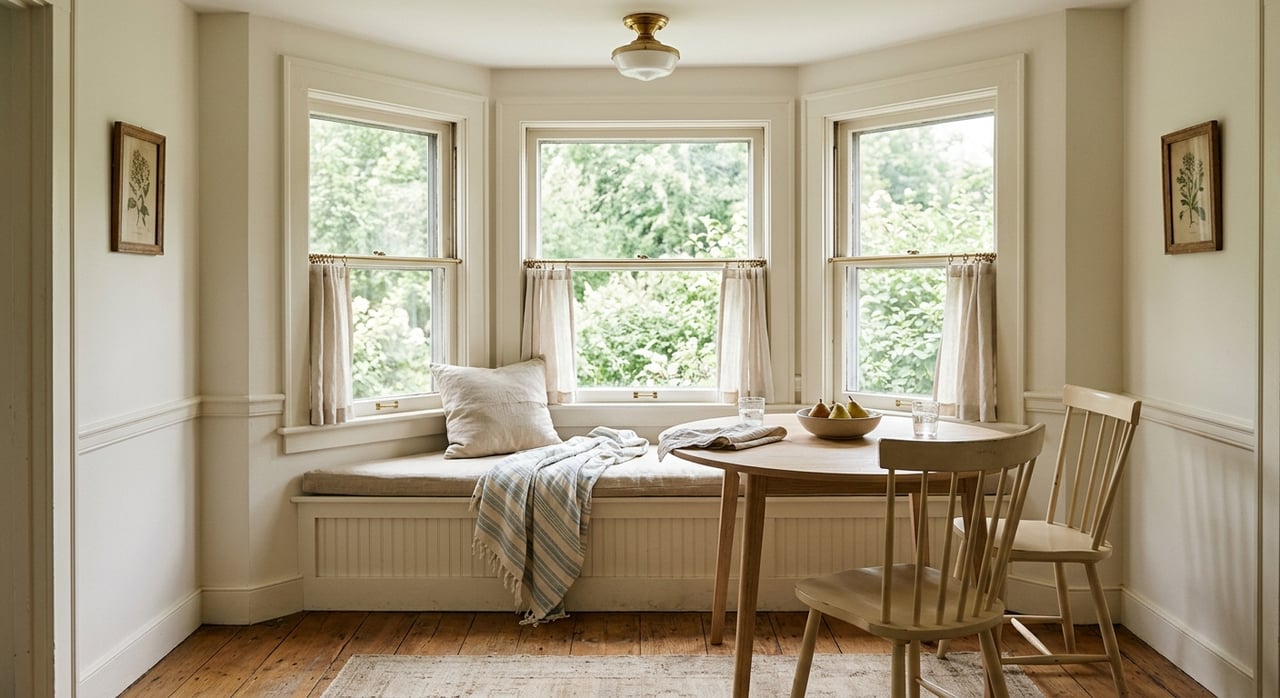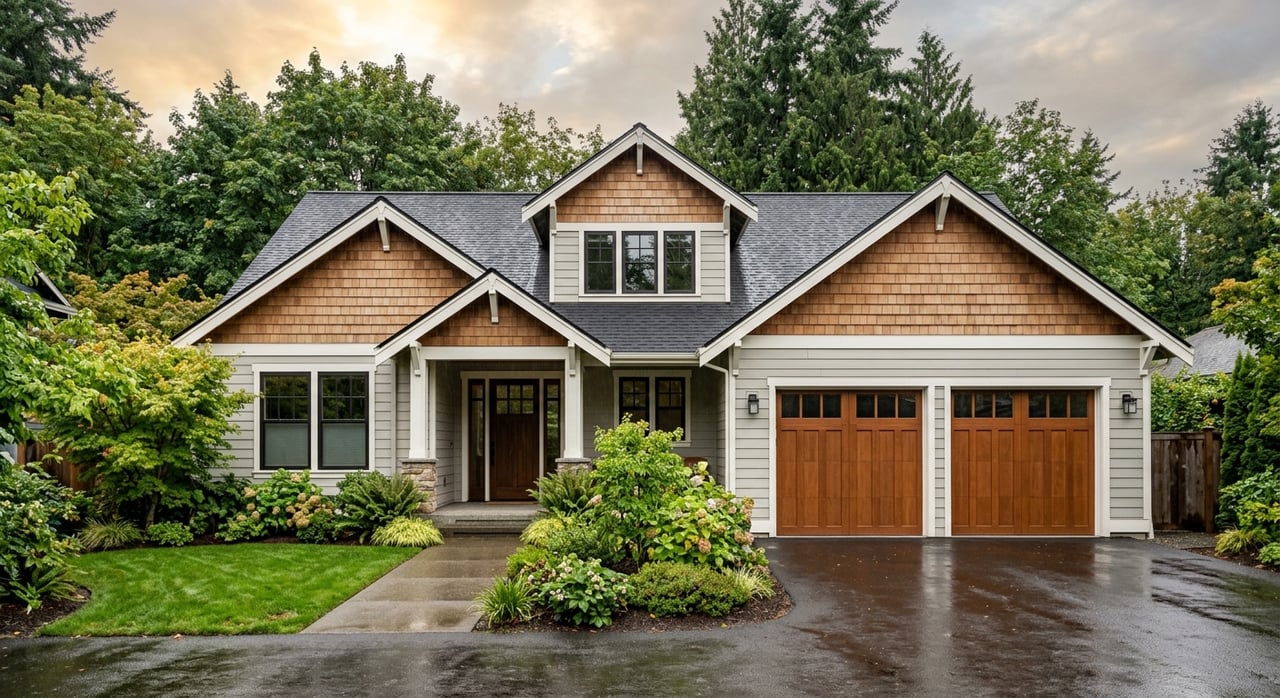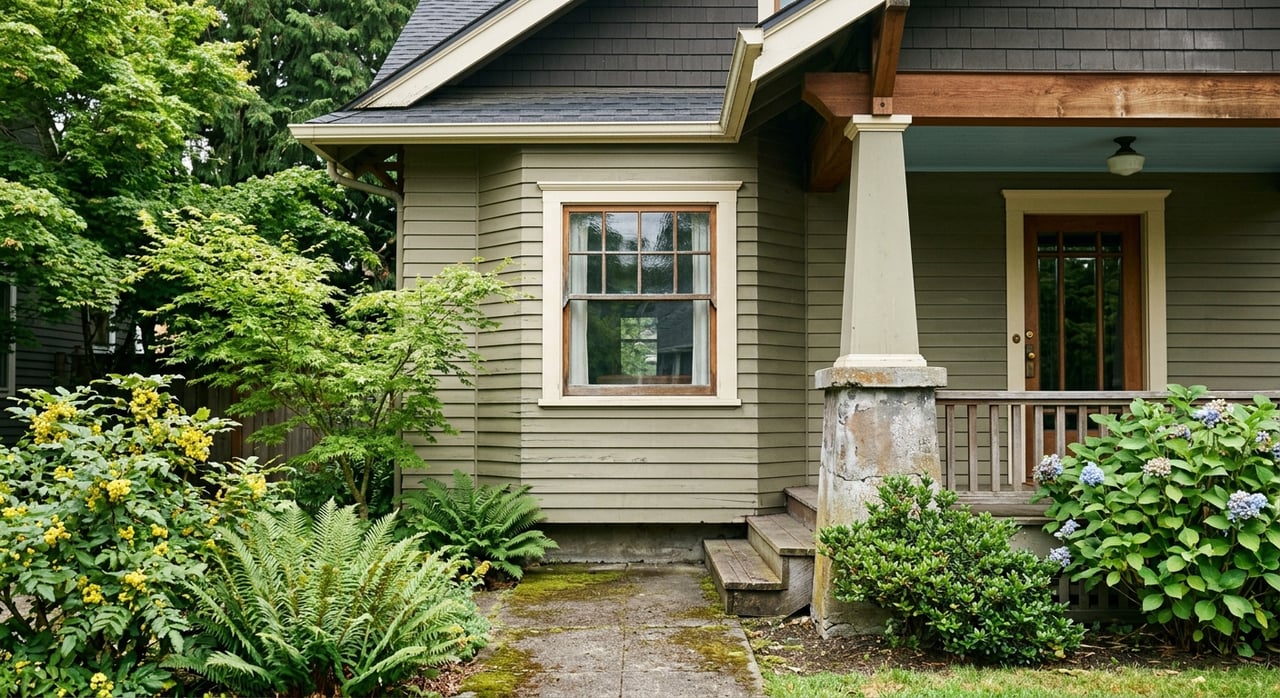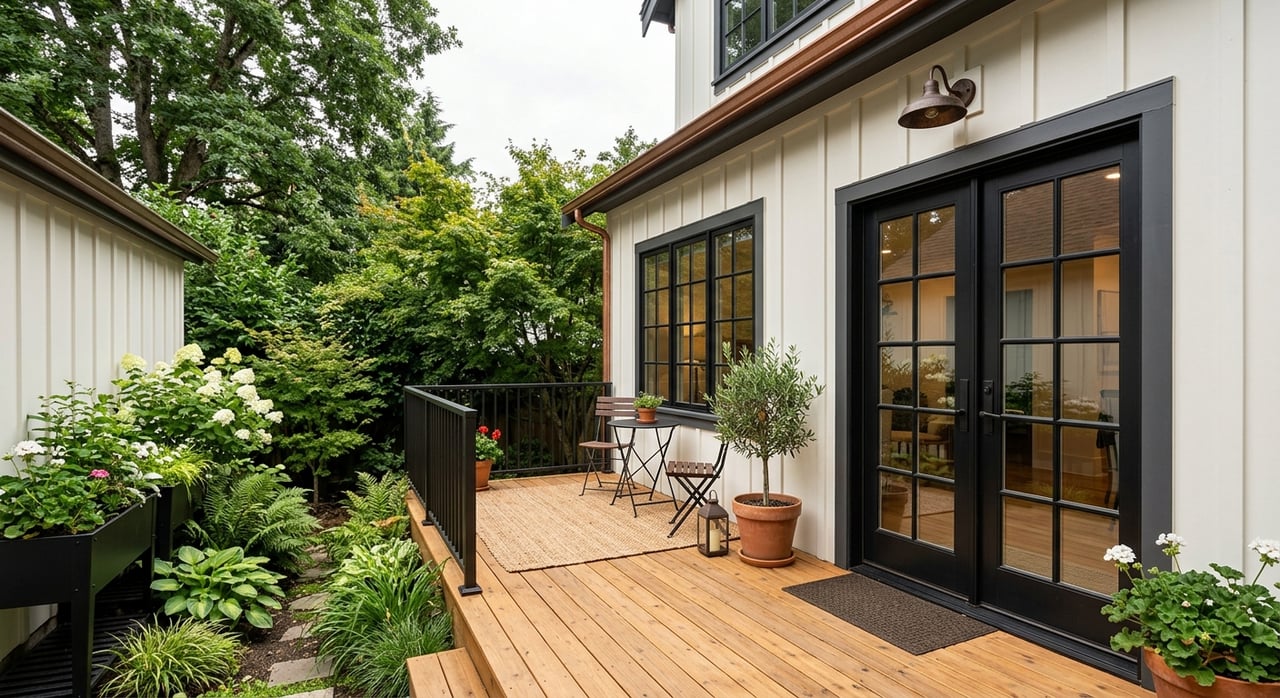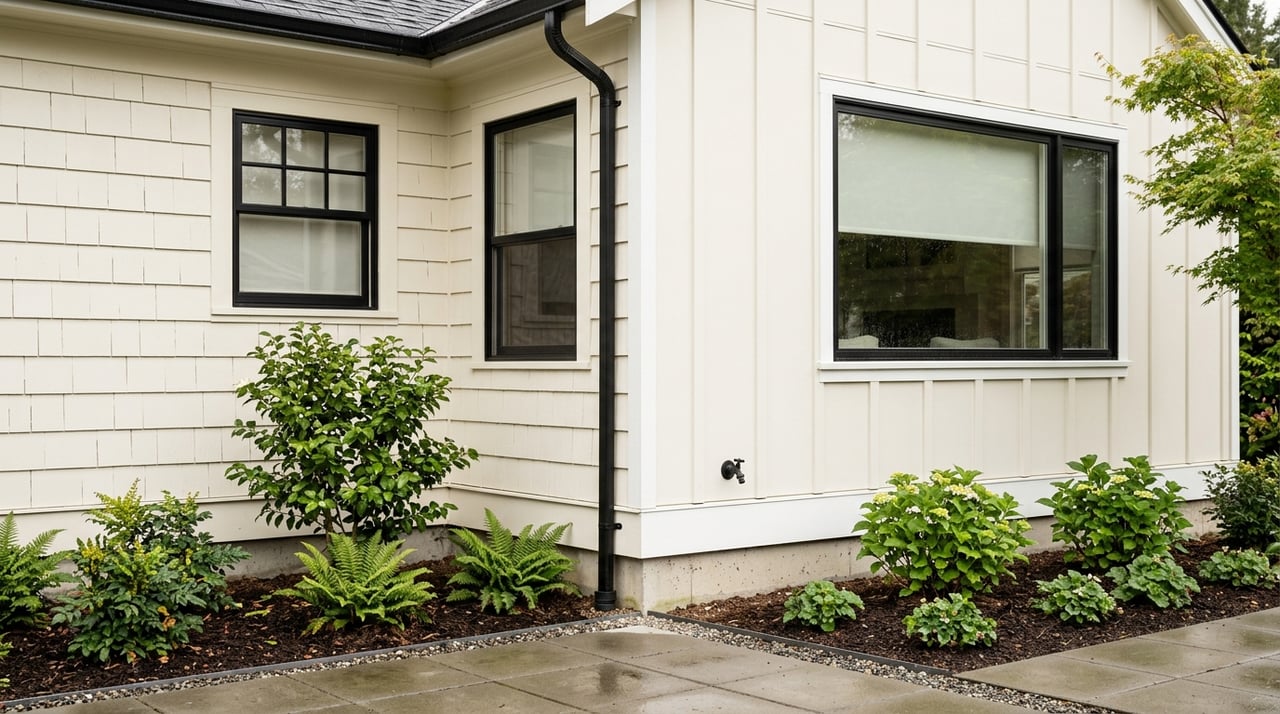
Wondering whether a Milwaukie bungalow or a new build is the better fit for your next move? You are not alone. In a city with a lot of older homes and a growing number of smaller new-construction options, the right choice often comes down to how you want to live, what repairs you can handle, and how much certainty you want on day one. This guide will help you compare both options with a clear, practical Milwaukie lens. Let’s dive in.
Why This Choice Looks Different in Milwaukie
Milwaukie is not a market dominated by brand-new homes. The city’s housing stock still leans heavily toward homes built in the 1950s, 1960s, and 1970s, while homes built in 2000 or later make up a much smaller share.
That matters because your decision is not just about style. In Milwaukie, choosing a bungalow often means choosing an older home with more variation in condition, updates, and layout. Choosing a new build often means looking at smaller-scale infill or middle housing, not just a large new subdivision.
The city also allows more middle housing types in many areas, including duplexes, triplexes, fourplexes, townhomes, and cottage clusters. Milwaukie describes these additions as gradual and piecemeal, which means newer housing may appear block by block as redevelopment happens.
What a Milwaukie Bungalow Offers
A bungalow in Milwaukie often appeals to buyers who want character and a more established street feel. Because much of the city’s housing is older, these homes can offer details and neighborhood patterns that feel settled and familiar.
You may also find more house-to-house variety with an older home. Floor plans, finishes, lot shapes, and updates can differ a lot, even on the same street. For some buyers, that individuality is a major plus.
Still, older charm usually comes with tradeoffs. An older bungalow may have aging systems, older materials, or updates completed at different times and to different standards.
Bungalow Pros
- Established neighborhood feel
- More variation in style and layout
- Character that can be hard to find in newer homes
- Potential to personalize over time
Bungalow Tradeoffs
- More maintenance questions up front
- Greater chance of older plumbing, electrical, or roof issues
- Possible lead-based paint risk in homes built before 1978
- More uncertainty around past repairs or remodel work
What a New Build Offers in Milwaukie
A new build gives you a different starting point. In Oregon, current residential energy code includes requirements for insulation, windows, lighting, equipment, and other efficiency-related features. The 2023 Oregon residential energy provisions became mandatory on April 1, 2024.
In practical terms, that means a newer home often starts with a more standardized efficiency baseline than an older bungalow. High-performance new homes in Oregon may include better insulation, high-performance windows, efficient water heating, advanced air sealing, tightly sealed ductwork, and high-efficiency HVAC equipment.
In Milwaukie, though, a new build may not look like what buyers picture in other suburban markets. Because newer housing is often added gradually through infill and middle housing, your options may include townhomes, cottage clusters, or compact detached homes woven into existing neighborhoods.
New Build Pros
- Newer systems and materials
- Stronger efficiency baseline under current code
- Fewer immediate repair unknowns in many cases
- More predictable finishes and performance
New Build Tradeoffs
- Less architectural variation in some projects
- Smaller footprints or denser site layouts in some infill developments
- Different neighborhood feel depending on the block
- Still needs independent due diligence before closing
The Real Decision: Character vs Predictability
For many Milwaukie buyers, this choice comes down to what matters more in your daily life. Do you want the feel of an older home in an established setting, even if it means more maintenance planning? Or would you rather start with a newer efficiency baseline and fewer immediate unknowns?
Neither answer is automatically better. The right fit depends on your comfort with repairs, your renovation appetite, your monthly budget, and how much flexibility you want after move-in.
A bungalow can be rewarding if you love older-home character and can budget for maintenance. A new build can be a smart fit if you want a cleaner systems picture and a more predictable first few years of ownership.
Why Inspections Matter for Both
It is easy to assume an older home needs an inspection more than a new one. In reality, both deserve careful review.
A home inspection and an appraisal are not the same thing. An inspection focuses on the property’s condition, while an appraisal supports the lender’s valuation process. If major issues show up, lenders may require repairs before closing.
With an older bungalow, inspections help you separate cosmetic charm from true system risk. With a new build, inspections can still catch workmanship concerns, incomplete items, drainage issues, or other problems you want addressed before closing.
Ask the Inspector These Questions
- What is the condition and likely remaining life of the roof?
- How do the drainage and moisture-control systems look?
- Are there concerns with the foundation, plumbing, or electrical systems?
- Which issues are urgent, and which can wait until after closing?
- If the home was built before 1978, should you order a lead inspection or risk assessment before renovating?
- Are there any materials that should be tested for asbestos before a remodel?
Older-Home Risks to Budget For
If you are considering a bungalow, age alone does not make it a bad investment. It does mean you should look more carefully at the condition of materials and systems.
Homes built before 1978 are more likely to contain lead-based paint. If you plan to remodel, repair, or repaint, disturbing old painted surfaces can create hazardous lead dust, so lead-safe work practices matter.
If a home has suspect damaged materials such as older floor tile, ceiling tile, or pipe wrap, sampling by a trained asbestos professional is recommended before disturbing those materials. That does not mean every older home has a major hazard, but it does mean you should budget with open eyes.
Why Neighborhood Feel Should Be a Tie-Breaker
In Milwaukie, neighborhood feel is not a small detail. The city has seven officially recognized Neighborhood District Associations, and Central Milwaukie is described as a crossroads for several neighborhoods.
That means one block can feel very different from the next. When you compare a bungalow to a new build, the home itself is only part of the decision. The street pattern, traffic flow, nearby redevelopment, and overall block feel matter just as much.
This is especially important because newer housing in Milwaukie may be added gradually into existing areas. A new home might still give you an established setting, while an older bungalow may sit on a block that feels more in transition than expected.
What to Notice During Site Visits
- How the block feels at different times of day
- Whether nearby homes are mostly older, newer, or mixed
- How the home fits the scale of the surrounding area
- Signs of redevelopment or infill nearby
- Parking, access, and general street activity
Financing Questions Can Change the Answer
Sometimes the best home on paper becomes harder to buy once financing details are clear. This is especially true when an older property needs repairs.
If a bungalow has major condition issues, your loan options or repair requirements may change. If you are considering new construction, the builder may have an affiliated lender, but it is still smart to compare that offer with outside options.
Ask the Lender These Questions
- Which loan program fits this property if repairs are needed?
- Will the appraisal trigger repair conditions before closing?
- How much down payment will this price point require?
- Will mortgage insurance apply in this scenario?
- If this is new construction, how does the builder’s lender compare with outside lenders?
A Simple Way to Decide
If you are stuck between two types of homes, try pulling the decision out of the abstract. Compare actual properties, not just categories.
Look at the systems, not just the style. Review the inspection risk, likely near-term costs, neighborhood feel, and financing terms side by side. In Milwaukie, that property-by-property approach usually gives you a clearer answer than labeling one option “better.”
Here is a simple way to frame it:
- Choose a bungalow if you value character, can handle more maintenance planning, and want an older-home setting.
- Choose a new build if you want a newer efficiency baseline, fewer early repair unknowns, and a more predictable starting point.
- Choose based on the specific block and inspection results if both options feel close.
The goal is not to pick the “right” home for everyone. It is to choose the home that fits your budget, your comfort level, and the way you want to live in Milwaukie.
If you want help comparing specific Milwaukie homes with a calm, organized strategy, Gennyfer Santel can help you sort through the details and move forward with confidence.
FAQs
Should you buy an older bungalow in Milwaukie?
- You may want a Milwaukie bungalow if you value character, an established setting, and do not mind budgeting for more maintenance and inspection follow-up.
Are new builds common in Milwaukie?
- Newer homes exist in Milwaukie, but the city’s housing stock still skews older, and many newer options are smaller infill or middle housing projects rather than large subdivision-style developments.
What should you inspect in a Milwaukie bungalow?
- You should pay close attention to the roof, drainage, foundation, plumbing, electrical, moisture control, and any possible lead or asbestos concerns before planning renovations.
Do new homes in Milwaukie still need inspections?
- Yes, a new home should still have an independent inspection because newer construction can still have workmanship, drainage, or completion issues.
How does neighborhood feel affect a Milwaukie home search?
- Neighborhood feel matters a lot in Milwaukie because block-to-block conditions can vary, so site visits and neighborhood drives are important when comparing homes.
Is a new build more energy efficient than a Milwaukie bungalow?
- In many cases, yes, because new homes in Oregon are built to current residential energy code standards, which creates a more consistent efficiency baseline than many older homes.