If you own a historic home in Oregon City, you may worry that selling it means sanding away the very details that make it special. That concern is real, especially when buyers often talk about updates, convenience, and move-in readiness. The good news is that you do not have to make your home feel generic to make it marketable. With the right prep, thoughtful presentation, and a story-led strategy, you can highlight character and still appeal to today’s buyers. Let’s dive in.
Why historic character matters in Oregon City
Oregon City has a built-in sense of history that gives older homes a deeper appeal. The city describes itself as the first incorporated city west of the Rocky Mountains, the end of the Oregon Trail, and a place shaped across three terraces above Willamette Falls. That context gives many older homes more than curb appeal. It gives them a connection to the city’s larger story.
That matters when you sell. In Oregon City, a historic home is often most compelling not because it is simply old, but because it feels authentic to its setting. Homes in areas like the McLoughlin Conservation District and the Canemah National Register District can attract buyers who value craftsmanship, continuity, and thoughtful updates over a stripped-down remodel.
Start by confirming historic status
Before you make repairs or plan pre-listing updates, find out whether your home is actually designated. In Oregon City, having an inventory form is not the same thing as being locally designated. Local designation happens through the land-use process.
This distinction is important. If your house is not locally designated, it generally does not go through historic review. If it is designated, exterior changes may be reviewable, while interior alterations are not subject to that same historic review process.
Why this step can save time
Sellers sometimes assume every older home falls under the same rules. In Oregon City, that is not the case. A quick check on the city’s historic resources maps or a conversation with Historic Review Board staff can help you understand what applies before you spend money or lose time.
That clarity also helps shape your selling plan. It can affect what work you do before listing, how you describe improvements, and how you set buyer expectations.
Repair first, replace carefully
When sellers prepare an older home for market, it is tempting to replace visible features in the name of freshness. In many historic homes, that approach can work against the home’s appeal. Oregon City’s preservation guidance strongly supports repair over replacement, especially for character-defining features.
For locally designated properties, ordinary maintenance and minor repairs that use identical materials and design do not require an application. The city also notes that some changes are typically discouraged or denied, including vinyl or aluminum siding or windows, painting unpainted masonry, sandblasting or high-pressure washing, removing distinctive details, and using pressure-treated wood as a finish material.
Original windows matter more than many sellers realize
Oregon City’s historic window guidance is especially clear on this point. Original wood windows are considered important architectural features and should be retained and repaired whenever possible. If replacement is needed, in-kind replacement is the preferred path.
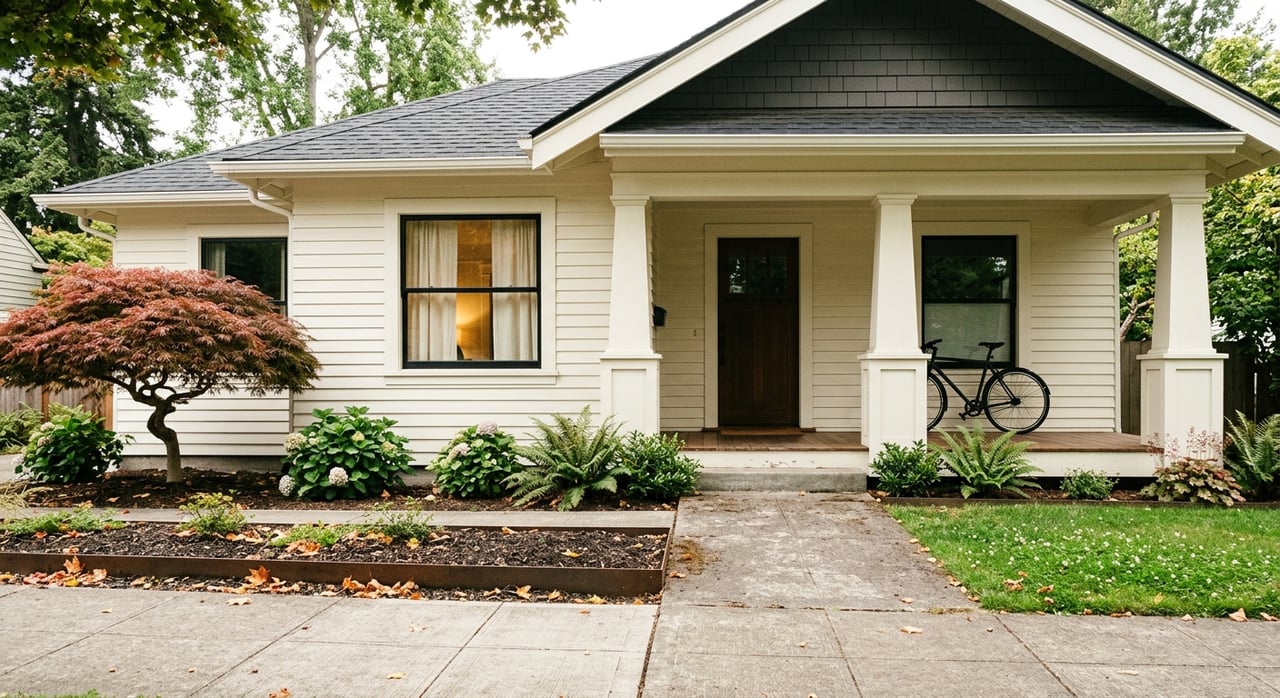
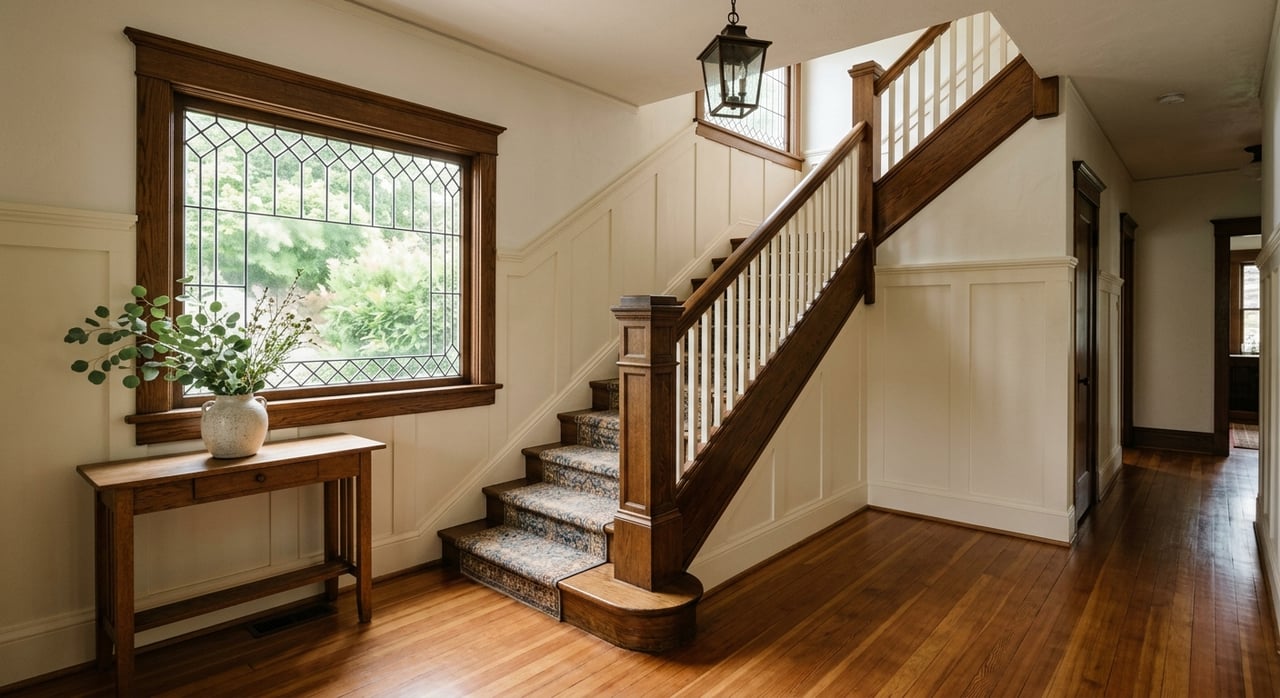
From a marketing standpoint, this matters. Buyers drawn to historic homes often notice original sash windows, trim profiles, old-growth woodwork, and porch details right away. Keeping those features intact can strengthen both your listing photos and your buyer response.
Focus on the details buyers actually notice
Not every pre-sale project adds value to a historic listing. The best use of your time is usually to improve the features that communicate authenticity the moment a buyer arrives or scrolls through photos.
In many Oregon City historic homes, that means highlighting:
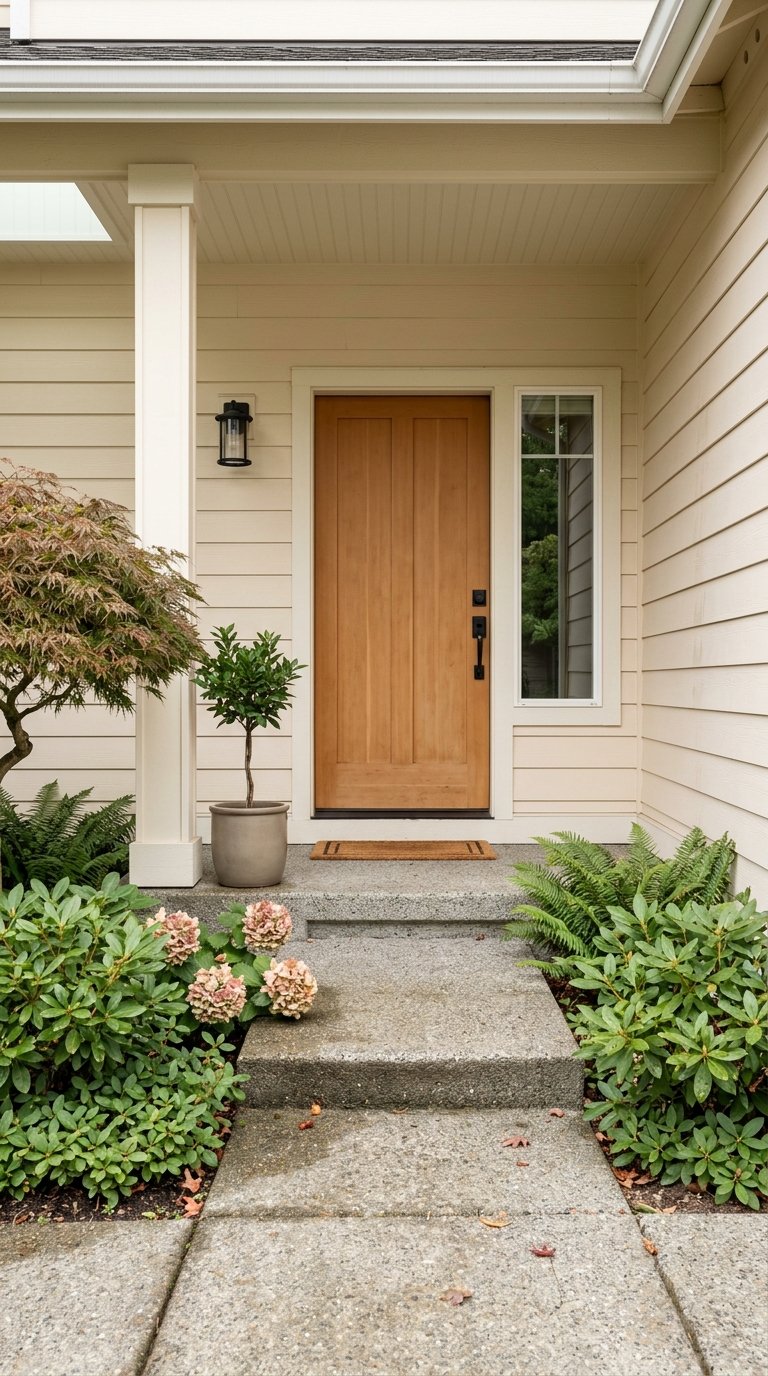
- Front porches and entry details
- Original wood windows
- Trim, moldings, and millwork
- Built-ins and stair details
- Masonry features
- The home’s placement on the lot and relationship to the street
These are the elements that help a home feel rooted and memorable. They also align with the National Park Service rehabilitation standards, which emphasize preserving character-defining materials, features, spaces, and site relationships.
Plan bigger exterior work early
If you are thinking about more substantial exterior changes before listing, start early. Oregon City’s review process can be simple for work that meets Historic Review Board policies, but not every project qualifies for staff-level review.
If a proposal does not meet those policies, the city asks for a land-use application with drawings, photos, material lists, and samples when relevant. Applications are normally due at least 30 days before a Historic Review Board meeting. If you are on a selling timeline, that lead time matters.
Additions have their own threshold
Oregon City’s code treats additions that are 30% or more of the original structure as new construction in the district context. If you have an unfinished project, an old plan for expansion, or a major exterior update in mind, it is smart to understand the review path before you rely on it as part of your listing strategy.
In many cases, sellers are better served by completing smaller, compatible repairs and letting buyers decide on future large-scale changes. That approach can reduce stress and keep the home’s presentation clean and credible.
Use local resources for pre-sale prep
If your home is locally designated and needs targeted repairs, Oregon City offers a 50/50 Historic Preservation Grant. Eligible work includes historic window repair, wood storm windows, replacing non-historic windows with wood windows, porch or foundation repair, and replacing missing elements.
Grant approval must happen before work begins, and awards are capped at $1,000 per project phase. While that may not cover a full restoration plan, it can help support a visible, high-impact repair before you list.
For sellers, this can be especially useful when paired with a practical pre-sale checklist. A well-organized plan often produces better results than rushing into broad updates that do not fit the house.
Market the home as a story, not a makeover
One of the biggest mistakes sellers make with older homes is trying to market them like new construction. Buyers interested in a historic Oregon City property are often responding to atmosphere, materials, and setting as much as square footage or finishes.
That is where story matters. Instead of framing the home as completely reinvented, it is often more effective to present it as well-preserved, thoughtfully cared for, and ready for its next chapter.
Build your listing around place-based authenticity
Oregon City gives you rich context to draw from. The city’s early settlement history, its role at the end of the Oregon Trail, and its pattern of growth up the bluff all help explain why certain homes and neighborhoods feel distinct.
If your home is in or near a recognized historic area, that context can support a stronger listing narrative. The McLoughlin district is known for its late-19th- and early-20th-century fabric, while Canemah carries the identity of a historic riverboat town. These details help buyers understand what makes the home feel special in a way that generic marketing never can.
Support the narrative with records and visuals
Oregon City’s historic resources portal can help verify a property’s historic context and district information. The city also notes that owners who have rights to historic photos may share them for inventory pages. That kind of material can help shape a richer visual story for your listing.
When available, details like historic photos, documented architectural notes, or information about original features can add depth without overstating anything. The goal is not to romanticize the house. It is to present it clearly, honestly, and with care.
Presentation should feel polished, not overdone
Historic homes benefit from thoughtful editing. You want the presentation to feel clean and calm so buyers can notice the architecture, not just the decor.
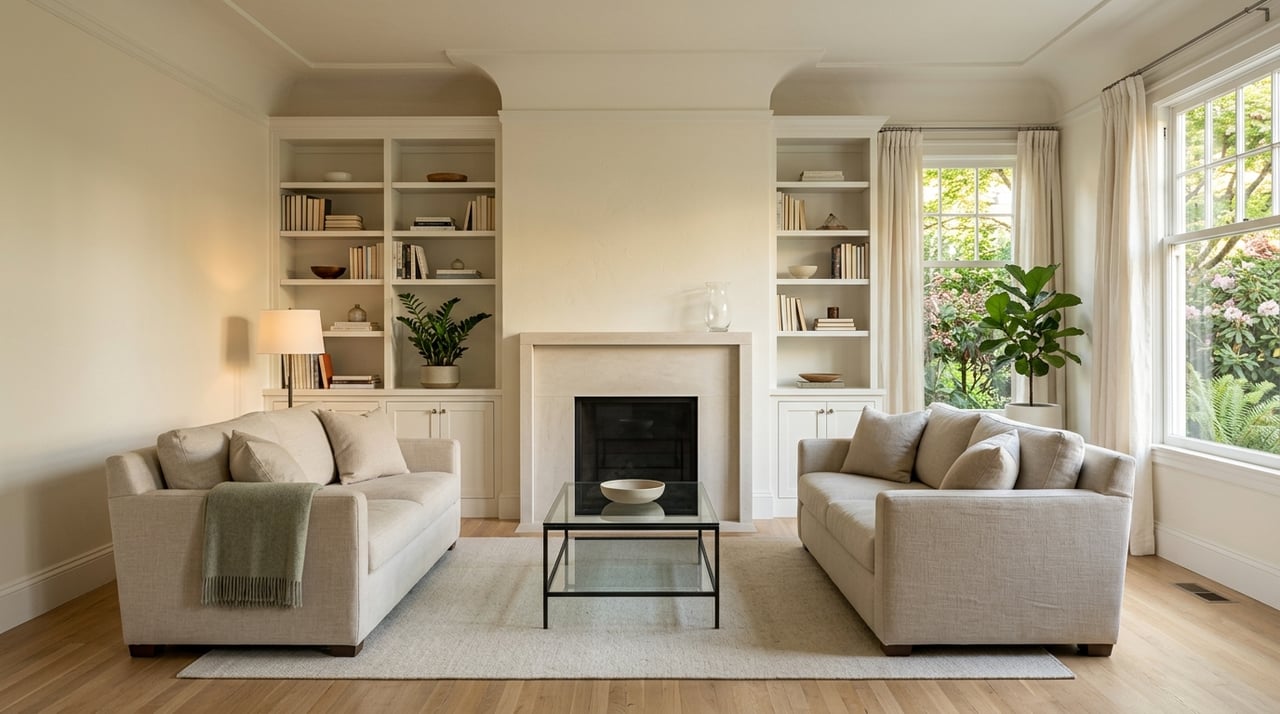
A design-forward pre-sale approach can help here. Light decluttering, simple styling, and furniture placement that draws attention to windows, built-ins, fireplaces, staircases, or porch access often works better than trendy staging that competes with the house itself.
Let the home’s bones lead
In many cases, the best presentation strategy is restraint. Clean sightlines, soft natural light, and a few intentional focal points can make original details stand out. That is especially important in photography, where buyers make quick judgments based on whether a home feels coherent and cared for.
If your home has classic bones, let them do the heavy lifting. You do not need to erase age. You need to show how beautifully it lives today.
Know your likely buyers
A well-kept historic home in Oregon City is unlikely to attract the exact same buyer as a fully modernized newer build. Based on Oregon City’s preservation framework and rehabilitation standards, the strongest fit is often a buyer who appreciates authenticity and compatible updates.
That can include preservation-minded buyers, design-conscious buyers, or households looking for an established setting and a home with real architectural personality. These buyers are often comfortable with a home that has been cared for thoughtfully rather than remodeled into something unrecognizable.
The smartest selling strategy
If you want to sell a historic Oregon City home without losing its charm, the strongest path is usually simple. Confirm the home’s status, repair what can be repaired, avoid unnecessary replacement, and present the property as a genuine part of Oregon City’s story.
That strategy aligns with local preservation guidance and helps the right buyers see the home for what it really is. Not a project stripped of identity, and not a generic renovation, but a home with character that still holds its place in the city’s past and present.
If you are getting ready to sell and want a thoughtful plan for prep, presentation, and marketing, Gennyfer Santel can help you tell your home’s story with care.
FAQs
Does every older home in Oregon City need historic review?
- No. Oregon City says that if a house is not designated a Historic Site in the Comprehensive Plan, it does not need historic review.
Can you remodel the interior of a designated Oregon City historic home before selling?
- Yes. Oregon City says interior alterations for locally designated sites do not require Historic Review Board review.
What exterior changes are discouraged for historic homes in Oregon City?
- Oregon City’s review guidance says changes like vinyl or aluminum siding or windows, painting unpainted masonry, sandblasting or high-pressure washing, removing distinctive details, and using pressure-treated wood as a finish material are typically discouraged or denied.
How should you prepare original windows before listing a historic Oregon City home?
- Oregon City says original wood windows are important architectural features and should be retained and repaired whenever possible, with in-kind replacement if needed.
Is there grant help for repairs on a designated historic home in Oregon City?
- Yes. Oregon City offers a 50/50 Historic Preservation Grant for locally designated properties, with eligible work that includes items like window, porch, foundation, and missing-element repair, up to $1,000 per project phase with approval before work begins.
What is the best way to market a historic home in Oregon City?
- The strongest approach is usually to highlight character-defining features, verify the home’s historic context, and market it as a well-preserved part of Oregon City’s story rather than as a generic renovated house.