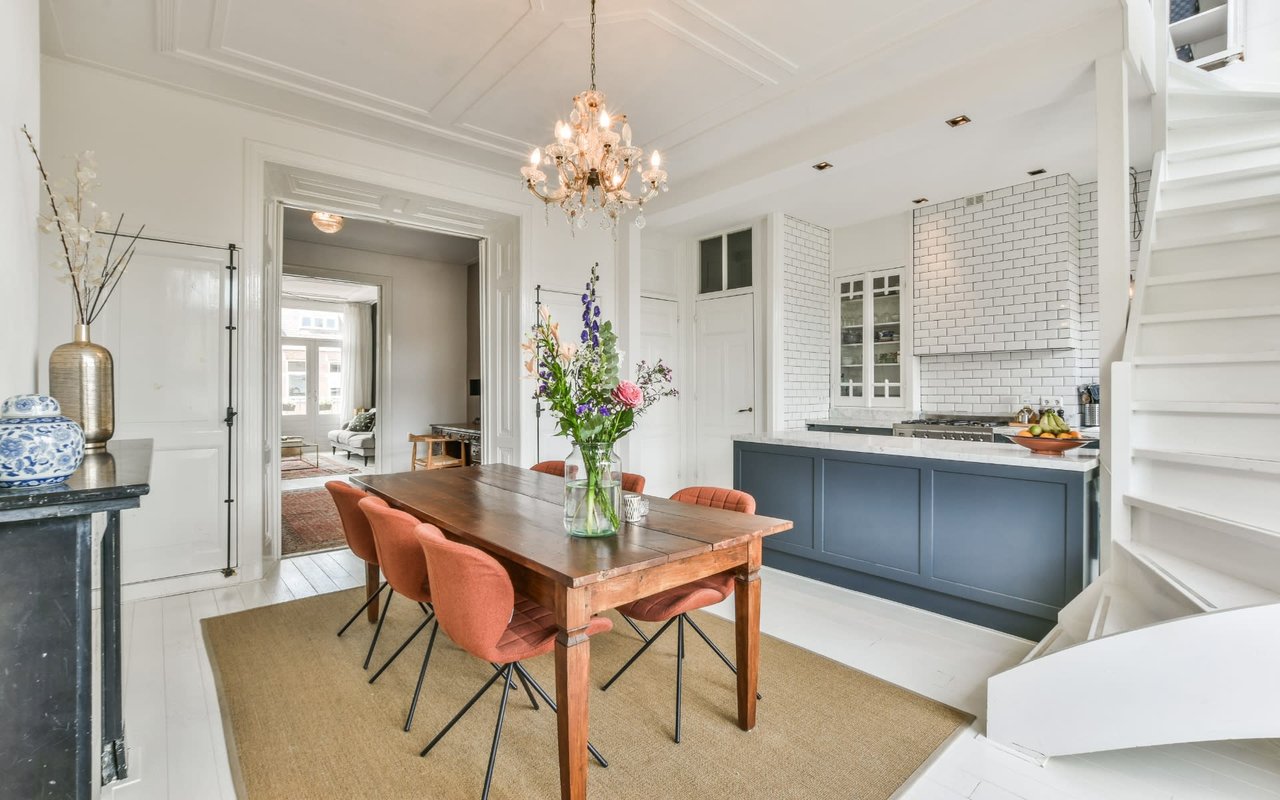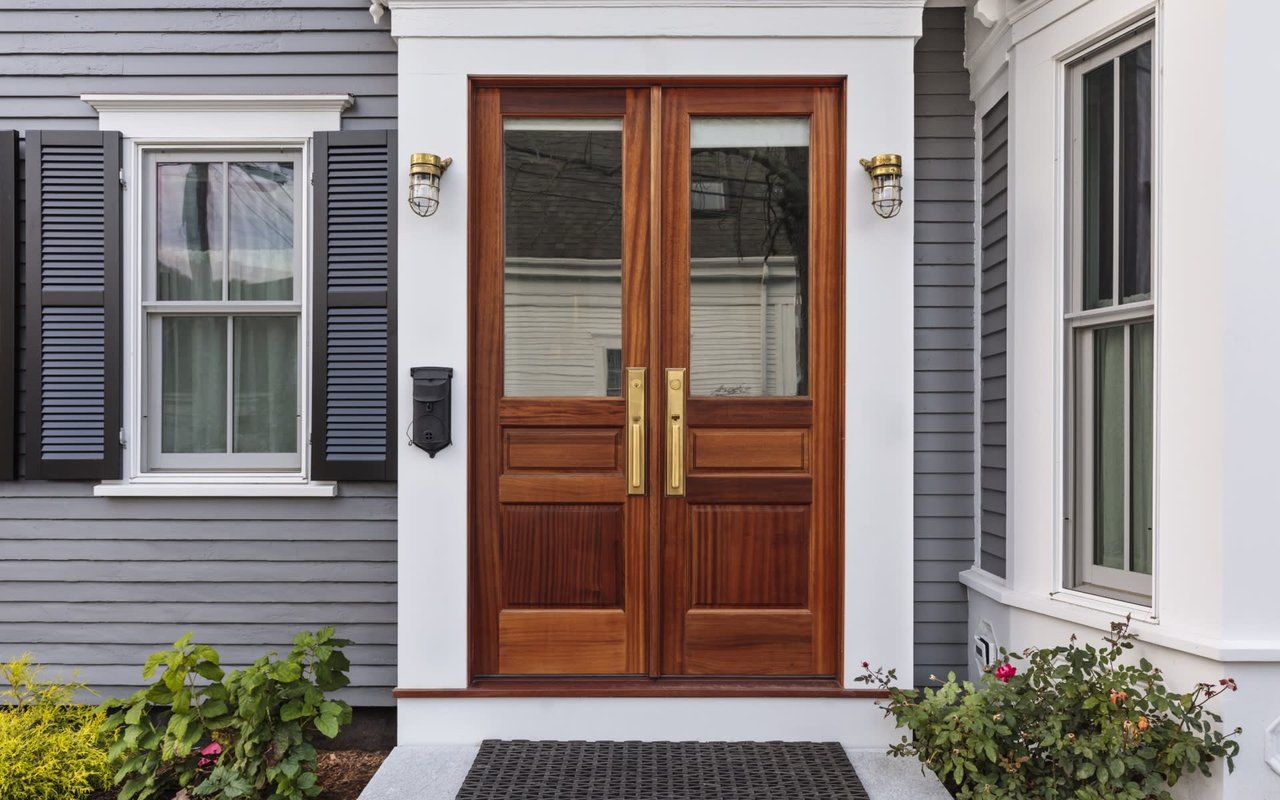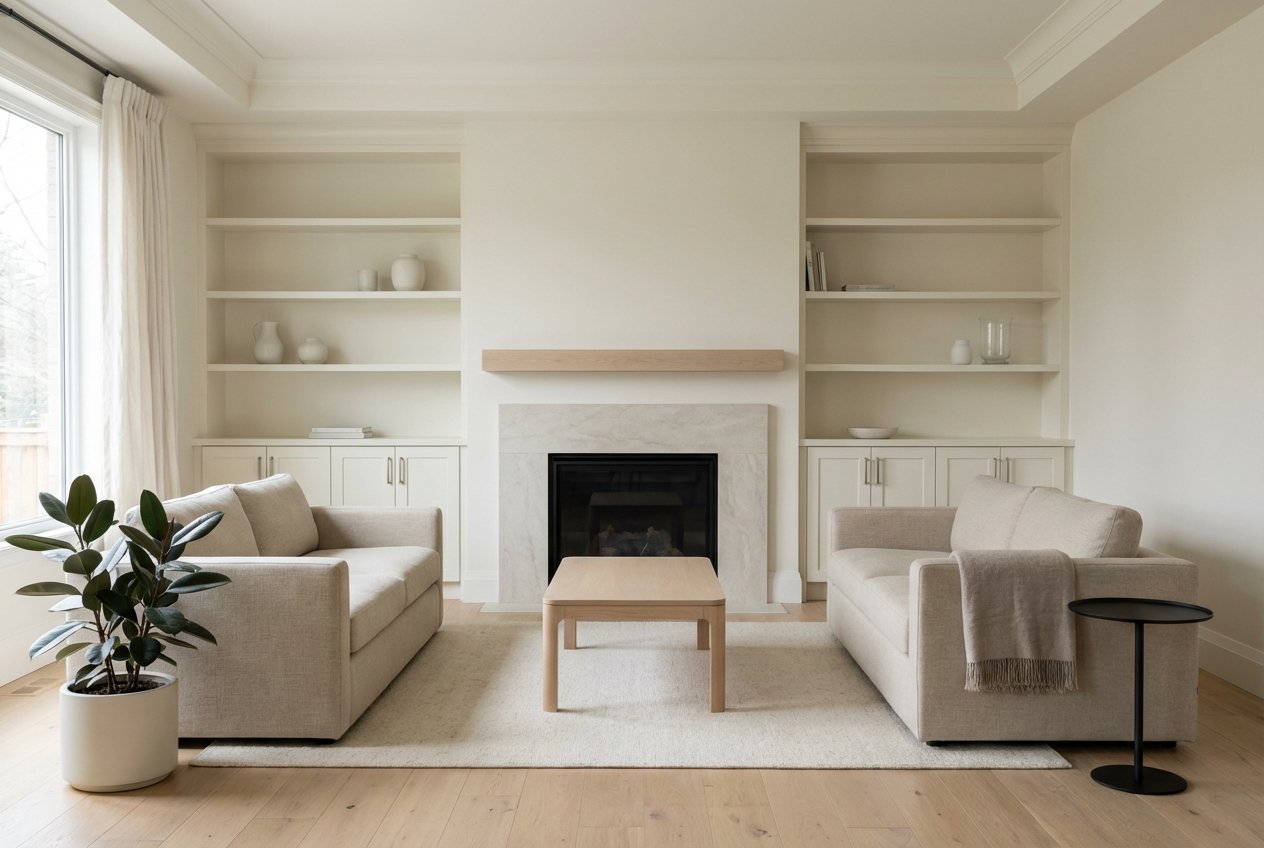
Ever find yourself torn between a charming bungalow and the ease of a newer townhome? In Portland, style is more than aesthetics. It shapes how you move, gather, maintain, and invest. If you are early in your search, a quick, honest look at how each home style lives in real life will save time and stress.
Below, you will compare Craftsman and bungalows, mid‑century ranches and split‑levels, and newer infill. You will see layout tradeoffs, typical maintenance, where each style shows up, and local rules that can change your plan. Let’s dive in.
Start with how you live
Before you fall for a porch or a sleek kitchen, think about daily rhythm.
- How many stairs feel comfortable for you each day?
- Do you prefer defined rooms or an open main level?
- Is yard space a must or would you trade some lawn for low upkeep?
- How important are near‑term repairs versus long‑term character?
Keep these answers in mind as you compare options.
Craftsman and bungalows: character first
These early 20th‑century homes are a Portland signature. Hallmarks include low‑pitched roofs, generous porches, built‑ins, and compact footprints with one to one‑and‑a‑half stories. For a quick primer on defining features, see this brief from the Oregon Encyclopedia glossary.
How they live day to day
Expect defined rooms instead of wide open plans. Living and dining are usually separate. Kitchens can feel modest by today’s standards and bedrooms tend to be smaller. Many owners expand kitchens or finish basements to gain flexible space.
Maintenance and upgrades to expect
Age brings charm and projects. Common items include wood siding care, older windows, limited insulation, and attention to roofs and gutters. In our rainy climate, staying ahead of moisture at porches and window sills matters. Portland requires permits for structural changes and for bringing older electrical or plumbing to current code.
Where you often find them
Look across inner NE and SE Portland, including neighborhoods such as Irvington, Laurelhurst, Sellwood‑Moreland, Ladd’s Addition, and Buckman, plus older cores in nearby Milwaukie.
Ranch and split‑level: easy flow and space
Built mostly from the 1950s through the 1970s, these homes favor practical layouts on larger suburban lots. Ranch plans offer single‑level living. Split‑levels use short stairs to separate living and sleeping areas.
How they live day to day
Ranches are convenient for single‑floor life and often include attached garages and bigger yards. Split‑levels create separation between spaces, which can help with noise and different schedules, though the short flights of stairs are a tradeoff.
Maintenance notes
Mid‑century systems may need updating. Plan for insulation improvements, window replacements, roof age checks, and a look at plumbing and electrical panels. Crawl spaces or basements on low‑lying lots can merit a moisture review.
Where you often find them
You will see concentrations in outer NE and SE subdivisions, including areas like Argay Terrace and Russell, as well as across Milwaukie and many 1950s‑1970s suburbs.
Newer builds and infill: modern and low upkeep
Newer townhomes, attached houses, and small‑lot detached homes have become more common, especially after recent zoning updates. The City reports significant growth in middle‑housing production, particularly in inner neighborhoods between the Willamette and I‑205, following the Residential Infill Project changes. For context, see the City’s report on middle housing production.
How they live day to day
You get modern systems, efficient layouts, and less immediate maintenance. Tradeoffs often include smaller yards, vertical living in multi‑story townhomes, shared walls for attached units, and tighter storage.
Maintenance and ownership notes
Newer systems reduce near‑term projects. If you are considering condos or townhomes, review HOA rules and reserves. On small lots, pay attention to drainage and site conditions. In some areas, design review can still apply for exterior changes.
Where you often find them
Look along inner‑city corridors and infill lots across inner NE and SE, plus attached options in close‑in areas and the Pearl. City reporting shows much of the recent middle housing clustered between the Willamette and I‑205.
Local rules that change the equation
Portland has a few citywide programs and overlays that can shape your choice, budget, and resale plan.
Home Energy Score at listing
Portland requires most single‑family homes to have a Home Energy Score and report before public listing. The program makes energy use and operating costs more transparent for buyers and gives sellers a roadmap for improvements. Learn the basics and look up properties on the City’s Home Energy Score page. Scores can be reused for up to eight years if no major energy‑affecting changes are made.
ADUs, permits, and potential income
Accessory Dwelling Units are a common path to add flexibility or rental income. Portland provides clear guidance, permits, and a System Development Charge waiver if you agree not to use the ADU as a short‑term rental for 10 years. Explore routes like garage conversions, basement or attic conversions, or detached ADUs on the City’s ADU permitting hub. Costs vary widely by site and scope; broad ranges in Portland often land from roughly $100,000 for simpler conversions to $250,000 or more for detached new builds, as outlined in this ADU cost overview.
Historic and conservation overlays
Many Portland neighborhoods have historic districts or conservation overlays. Exterior changes that are visible from the street can trigger review, which may add time or cost. Routine maintenance is often exempt. If you are eyeing an older home, check district status and review types on the City’s historic resource overview.
Portland climate and health checks
Rain and routine maintenance
Portland’s maritime climate brings wet, cool winters and dry summers. Gutters, downspouts, roof valleys, porch flashing, and paint or seal maintenance are especially important to manage moisture and prevent rot. For seasonal context, see the local weather overview.
Radon testing
Much of the metro rates as moderate or high potential for elevated indoor radon. Because levels vary house to house, testing is recommended during due diligence, and mitigation is a common, straightforward fix that typically costs in the low thousands depending on site conditions. Check maps and guidance from the Oregon Health Authority.
Earthquake preparedness
Oregon is seismically active. Older homes can have vulnerabilities such as unreinforced chimneys or weak foundation anchorage. Ask about past retrofits and permits, and consider an evaluation for bolting or bracing. Learn more from the state’s earthquake preparedness resources.
Updating potential by style
- Craftsman and bungalows. Popular projects include enlarging kitchens, modernizing baths, adding insulation, upgrading windows with sensitivity to historic details, and finishing basements. Historic overlays can shape timelines for visible exterior changes.
- Ranch and split‑level. Many owners refresh kitchens and baths and improve insulation and mechanicals. The single‑level footprint of a ranch appeals to those who want easier daily movement.
- Newer construction. Focus often shifts to finishes, storage solutions, and energy upgrades. For condos and townhomes, review HOA rules before planning exterior changes.
When weighing resale, buyers today often value comfortable kitchens that connect to living spaces, enough baths for daily flow, and documented permits for major work. An ADU that is properly permitted and well presented is widely viewed as a versatile asset in Portland.
Quick style chooser
Use this as a friendly starting point, not a rule.
- Choose a Craftsman or bungalow if you love original details, porch life, and walkable areas, and you are ready to plan for systems updates over time.
- Choose a ranch if single‑level living, larger lots, and easy daily flow matter most.
- Choose a split‑level if you want separation between living and sleeping areas and a bit more space without going fully multi‑story.
- Choose newer infill or townhomes if you want modern systems, lower near‑term maintenance, and proximity to amenities, and you are comfortable with less yard and more vertical living.
Buyer checklist for any Portland home
- Is the property in a historic district or design overlay area? Review the City’s historic resource types.
- What is the Home Energy Score? Confirm details on the City HES page.
- Has the home been tested for radon? Review maps and steps from OHA.
- Is an ADU feasible on this lot and what permits or fees apply? Start with the City’s ADU hub.
- How old are the roof, gutters, and exterior paint or seal, and how are drainage and downspouts performing, given our rainy seasons?
- Have any earthquake retrofits been completed and permitted? Review state guidance.
If you want a clear path from short list to confident offer, let’s talk through the tradeoffs together. With thoughtful questions upfront and a plan for permits, energy, and maintenance, you can choose a home that fits your daily life now and flexes for what is next.
Ready to match a style to your lifestyle and budget in Portland or nearby Milwaukie? Schedule a Consultation with Gennyfer Santel for a friendly, data‑informed plan.
FAQs
What is Portland’s Home Energy Score and how does it affect buyers?
- The City requires a Home Energy Score and report for most single‑family listings, which helps you compare energy use and improvement options before you write an offer; learn more on the City’s HES page.
How do ADUs work in Portland and what do they cost?
- You can add an ADU through a conversion or detached new build by following the City’s permit process and, if eligible, an SDC waiver; broad project costs often range from roughly $100,000 to $250,000 or more depending on scope.
Where are newer middle‑housing options growing in Portland?
- City reporting shows increased middle‑housing production in inner neighborhoods, with much of it between the Willamette River and I‑205 after Residential Infill Project updates.
Are older Portland homes in historic districts harder to update?
- Routine maintenance is often exempt, but visible exterior changes and additions may require historic or design review, which can add time and cost; always check district status and review type before planning work.
Should I test for radon when buying a home in Portland?
- Yes, testing is recommended because radon levels vary by house even in the same area, and mitigation is common and typically straightforward.
Do I need to worry about earthquakes with Portland homes?
- Oregon is seismically active, so ask about past retrofits and consider evaluating foundation anchorage and bracing needs, especially in older homes, as part of your inspections.